
By Levy Masiteng
A landmark global report has warned that the world’s biodiversity crisis may be far more severe than previously understood, with nearly 30,000 plant species and more than 400 fungal species now threatened with extinction — while thousands more may disappear before they are even known to science.
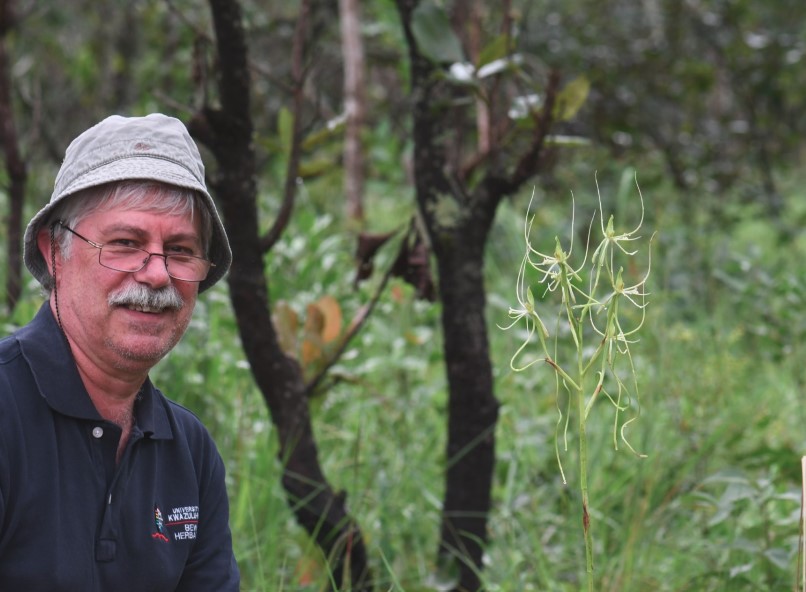
The Royal Botanic Gardens, Kew’s State of the World’s Plants and Fungi 2026 report, released on Tuesday, includes the expertise of University of KwaZulu-Natal (UKZN) Professor Benny Bytebier, curator of the Bews Herbarium in Pietermaritzburg, which holds more than 250,000 plant specimens.
The report, compiled with input from more than 400 scientists across 40 countries, found that 29,748 plant species and 411 fungal species are currently threatened with extinction, despite only 18% of known plant species and just 0.6% of fungi having been assessed.
It warns that the world still does not fully understand the scale of the crisis facing plants and fungi, which underpin life on Earth by regulating climate, storing carbon and providing food and medicines.
Without reliable data on what species exist, where they occur and how they are being affected by climate change, the report says conservation efforts may overlook the most vulnerable species, while opportunities for new medicines and sustainable future crops may be lost.
The report says rapid advances in artificial intelligence, digitisation and global data-sharing are transforming conservation by allowing researchers to analyse preserved plant and fungal specimens at unprecedented scale.
For centuries, pressed, dried and labelled plants and fungi collected by scientists around the world have been inaccessible to most researchers. Digitisation is now allowing scientists to compare material remotely, correct misidentified species and uncover previously hidden biodiversity.
But major gaps remain. Fewer than 16% of the world’s herbarium specimens have been imaged and made digitally available, leaving significant blind spots in global biodiversity knowledge.
The report says these gaps are especially pronounced in parts of the Global South, where little-known and under-digitised “silent herbaria” can skew global biodiversity models and climate predictions, leading to conservation decisions based on incomplete or biased information.
This makes the work being done at Bews Herbarium significant. According to the statement, all 250,000 specimens at the herbarium have been imaged, while 25% of their labels have been transcribed and added to a database to make them more accessible to researchers worldwide.
The Bews Herbarium, which is more than a century old, has grown from about 120,000 specimens 15 years ago to more than 250,000 today after incorporating several “orphaned” herbaria from KwaZulu-Natal.
Bytebier has also worked with colleagues from the South African National Biodiversity Institute, Mauritius, Madagascar and Belgium on research into the digitisation of herbarium specimens from an African perspective, with a focus on South Africa and Western Indian Ocean island states.
He said the report was important because it showed how the world was documenting and conserving plant and fungal life.
“This report is very important as it summarises how we are doing with describing, documenting and conserving our plants and fungi at a global scale. I’m happy that the Global North takes notice of our efforts in digitising the rich biodiversity in the Global South, despite the challenges and lack of resources,” Bytebier said.
The report says more than 100,000 plant species and more than two million fungal species remain unknown to science. It also found that more than 4,600 plant species and 7,800 fungal species were named as new to science in 2024 and 2025.
It concludes that improving, connecting and sharing biodiversity data globally is one of the fastest and most cost-effective ways to strengthen conservation and enable faster action to prevent extinctions.
INSIDE EDUCATION