
By Akani Nkuna
Health sciences students at the University of Cape Town (UCT) held back from speaking in class for fear of being misunderstood or judged on their English, with first year the most difficult, a study has found.
“I just feel embarrassed because not speaking English well is stereotypically associated with being stupid,” one student said, according to an account of the study published by UCT on Monday.
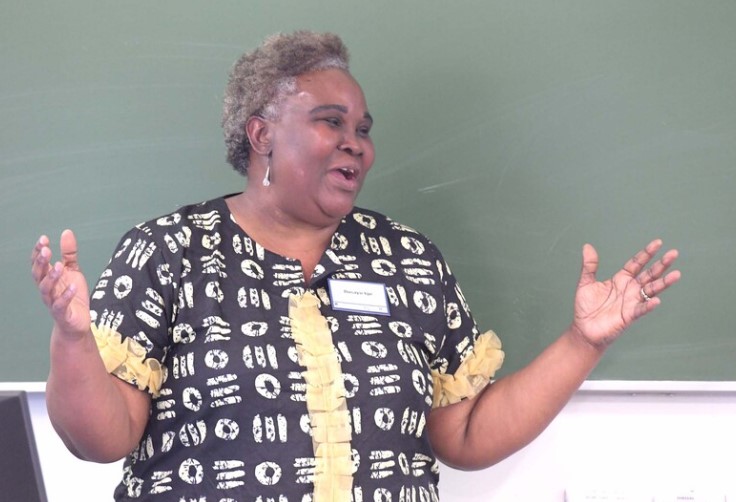
Dr Busayo Ige, a senior lecturer in UCT’s Department of Health Sciences Education, examined how anxiety about speaking English affected participation in class and on clinical placements.
Her qualitative study involved 13 second- and third-year students in audiology, speech-language pathology, occupational therapy and physiotherapy. Their first languages were isiXhosa, isiZulu, Setswana and Xitsonga.
Students reported difficulty following lectures, reluctance to ask questions and feelings of isolation. Being called on unexpectedly or having to give a presentation could heighten their anxiety, as could concerns about their accents, pronunciation or making mistakes.
Ige said the research grew out of her work with students who had been afraid to speak in class and became more engaged after moving to the Extended Curriculum Programme, where classes were smaller and everyone was encouraged to participate.
On clinical placements, being observed by supervisors and assessed on their performance could also make students anxious. Some felt less worried about being judged when they could speak with patients in a shared African language.
Ige presented some of the findings at UCT’s Teaching and Learning Conference last week. She recommended that universities recognise different varieties of English, strengthen support for first-year students and expand mentoring and peer support so students feel more comfortable speaking in class.
“Belonging is not the outcome of participation. Belonging is the condition that makes participation possible,” Ige said.
“Creating multilingual universities is not only about accommodating languages; it is about creating spaces where students can speak, belong, and be heard.”
INSIDE EDUCATION