
By Lebone Rodah Mosima
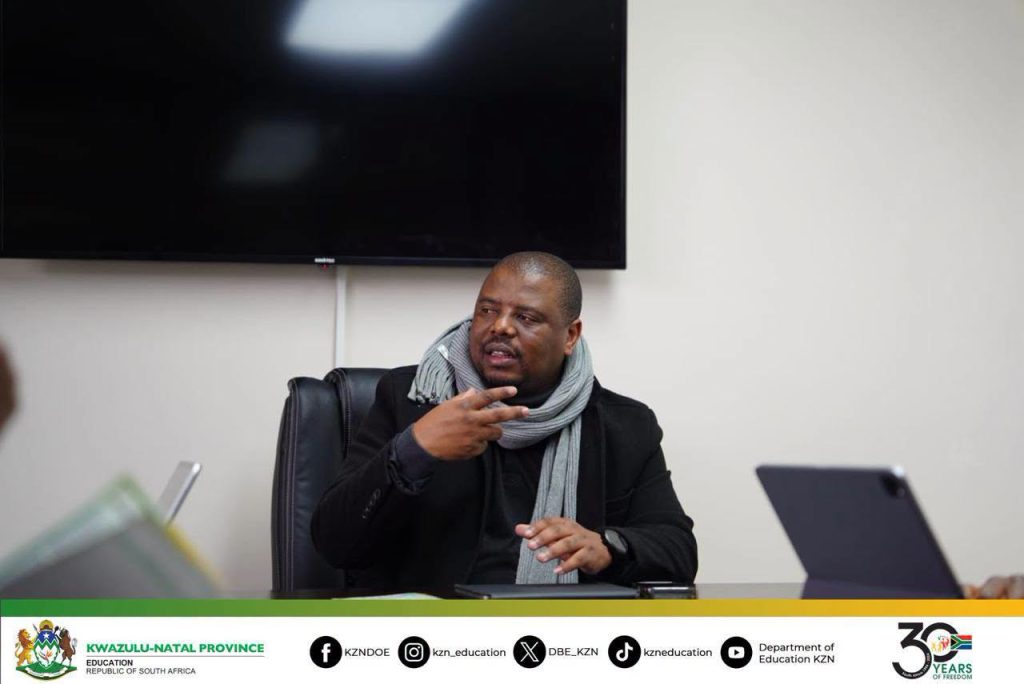
KwaZulu-Natal MEC for Education Siphosihle Hlomuka has told schools to make mental health awareness part of their culture, warning that some young people are dropping out because they lack the tools to identify and deal with mental health challenges.
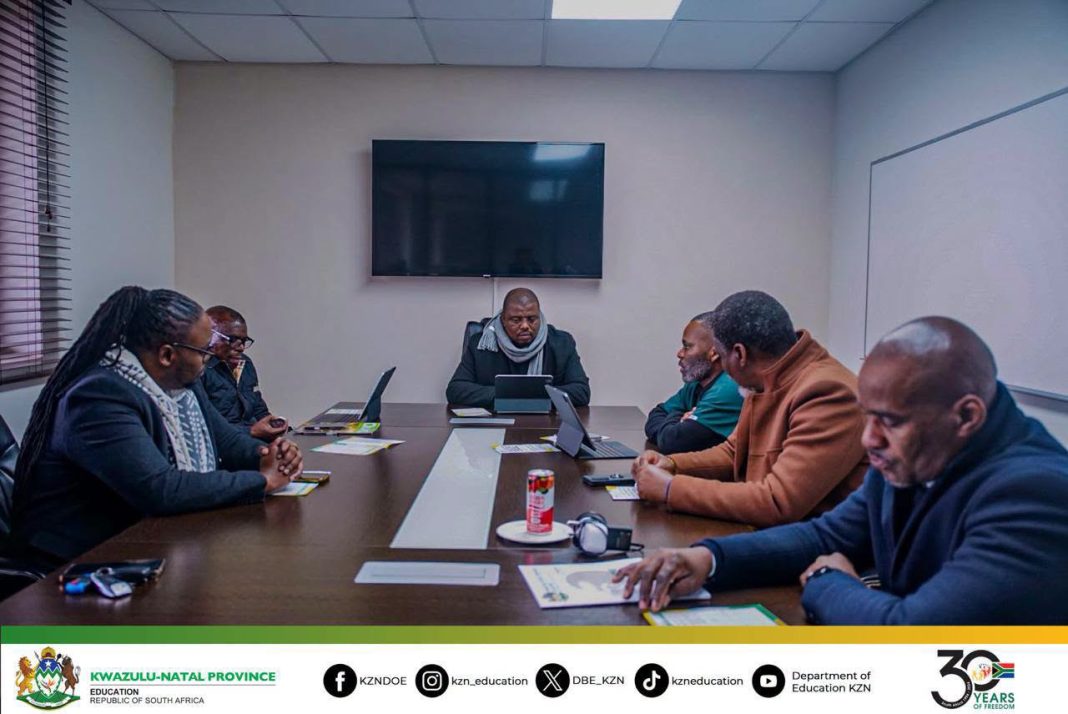
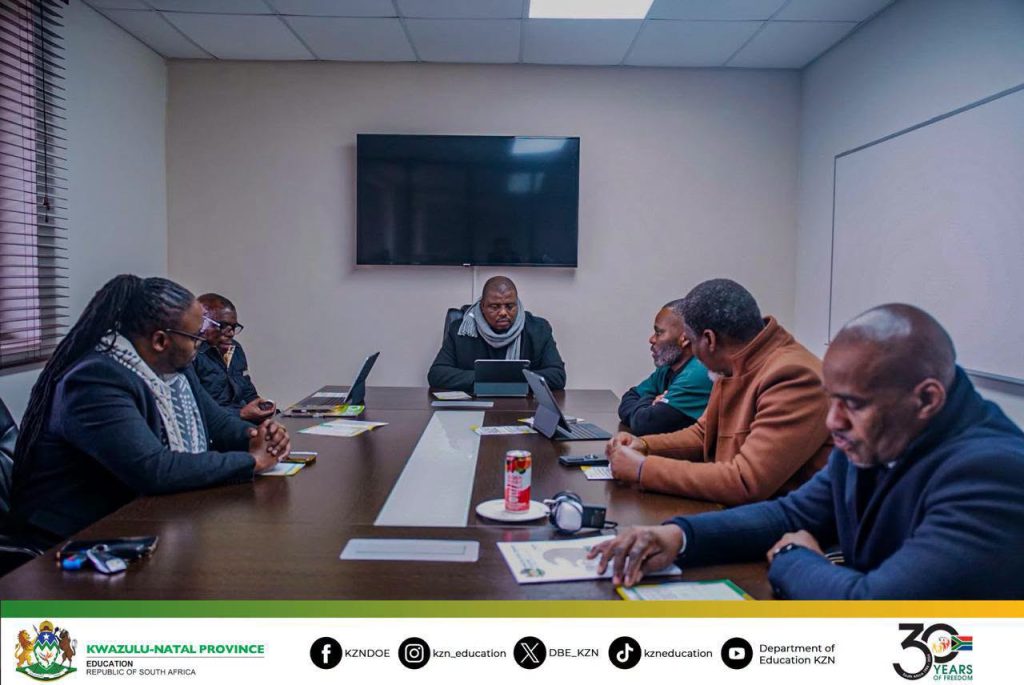
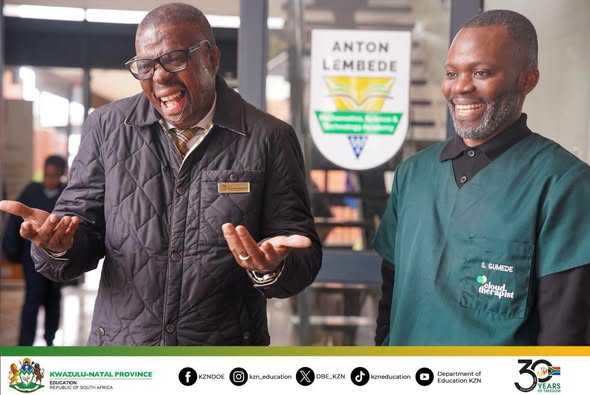
He made the remarks at the launch of the Digital School Mental Health Pilot Programme, developed in partnership with Cloud Therapist, on Tuesday, at Anton Lembede Mathematics, Science and Technology (MST).
While the KwaZulu-Natal Department of Education is supporting the initiative, Hlomuka said that it was conceived and developed outside the department and was not a departmental programme.
During the launch, Hlomuka said young people were navigating a difficult world, facing academic and peer pressure, social media, bullying, family challenges, economic hardship, violence, uncertainty about their future and, in many cases, trauma.
“For our matriculants, these pressures can be particularly intense. The Matric Class of 2026 is approaching one of the most important milestones of their schooling journey,” Hlomuka said.
“They are expected to work hard but to also remain focused as they prepare for examinations that can open doors to further education, training and employment.”
He said behind every matriculant was a young person with dreams, fears, insecurities and challenges that may not be visible to others.
“A learner may be sitting in a classroom preparing for an examination while carrying an enormous emotional burden,” he said.
“This is why mental health awareness must become part of the culture of our schools. Through these programs we are creating environments where young people can talk.”
Hlomuka said the department had realised that many young people, particularly boys, regarded asking for help as a sign of weakness or something unacceptable.
“We must teach our learners at this formative stage that seeking assistance is a strength,” he said.
He said emotional distress could also manifest in the behaviour of learners.
“Hurt people hurt people — including themselves.”
“We see this sometimes in the behaviour of young people. A learner who bullies another learner may be carrying pain of their own. A learner who is aggressive may be responding to circumstances we know nothing about. A learner who withdraws from others may be struggling silently.”
Hlomuka said that this did not mean harmful behaviour should be excused and said accountability remained important.
“Accountability remains important but our response must go beyond punishment. That is why prevention and awareness can help us identify that pain early for an opportunity to intervene before it becomes destructive — either towards others or towards the young person themselves,” he said.
“Oftentimes, knowing that somebody cares can make the difference between giving up and carrying on.”
He said this was particularly important for the Class of 2026.
“The message we must give them is that we believe in them and encourage them to work hard, but we always encourage them to rest, to talk, to seek assistance and to look after their emotional wellbeing.”
He said the digital nature of the programme was significant because young people were increasingly comfortable engaging with technology.
“We know that technology does not yet have the capacity to replace the human relationship between a learner and a caring teacher, parent, counsellor or professional, however Using platforms that they are familiar with can help us bring information, awareness and support closer to learners,” he said.
He said the department was not seeking ownership of the initiative.
“Our role is to support it, to encourage it, to learn from it and, within our means, to help create the conditions in which its benefits can reach more learners and more schools.”
“This distinction is important because, as government, we must recognise that we do not have a monopoly on ideas.”
Hlomuka said government had a responsibility to create space for communities, professionals, researchers, academics, civil society organisations and private institutions developing innovative solutions to challenges in education.
He said responsibility for the well-being and success of children had to be shared across society.
“As Government we must play the central coordinating role that we need to play. Schools have a critical role to play. Teachers have a critical role to play. Parents have a critical role to play.”
“Communities have a role to play. Professionals and civil society have a role to play. And the private sector has a role to play. The child belongs to all of us.”
Hlomuka said society benefited when learners succeeded, while the consequences of dropping out could be felt immediately or in the longer term.
“Some of these young people end drop out of school because they lack the tools to just identify their struggles with mental health challenges, that is not simply a school problem. It is a societal concern.”
He said the aim should be to identify problems before young people reached crisis point.
“We want a society that does not wait until a young person is in crisis before we ask what is wrong.
“We want a society that listens. A society that notices. A society that cares. A society that intervenes early.”
Hlomuka said the success of the education system could not be measured only by examination results, but also by whether it prepared young people who were “confident, resilient, emotionally healthy and ready to contribute positively to society”.