
By Lebone Rodah Mosima
Communications and Digital Technologies Minister Solly Malatsi has called for closer cooperation between government and the private sector to ensure digital-skills training translates into employment opportunities for young South Africans.
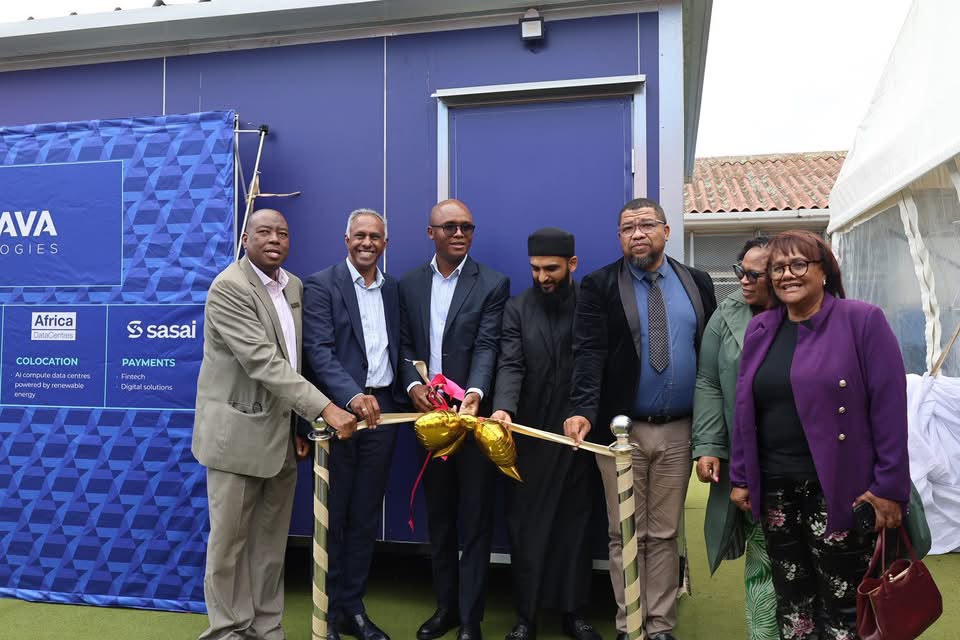
Speaking at the launch of a cyberlab at Fontein Full-Service School in Nelson Mandela Bay, Eastern Cape, on Monday, Malatsi said that technological advances could deepen inequality unless more people had access to digital tools and training.
ALSO READ: Gauteng Transport tells scholar transport operators to comply with safety laws
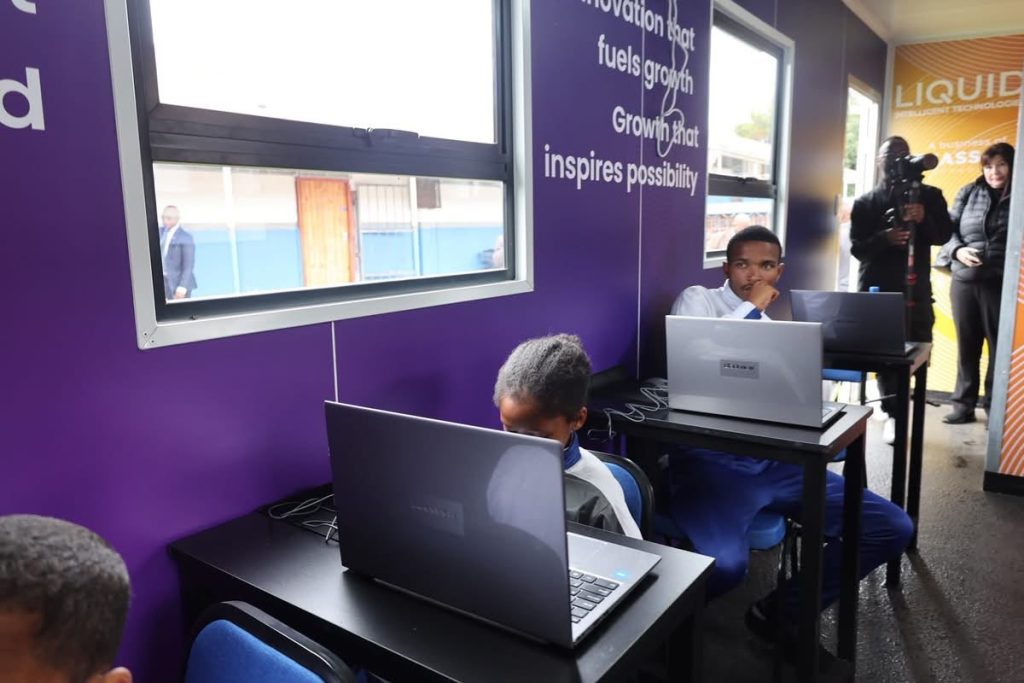
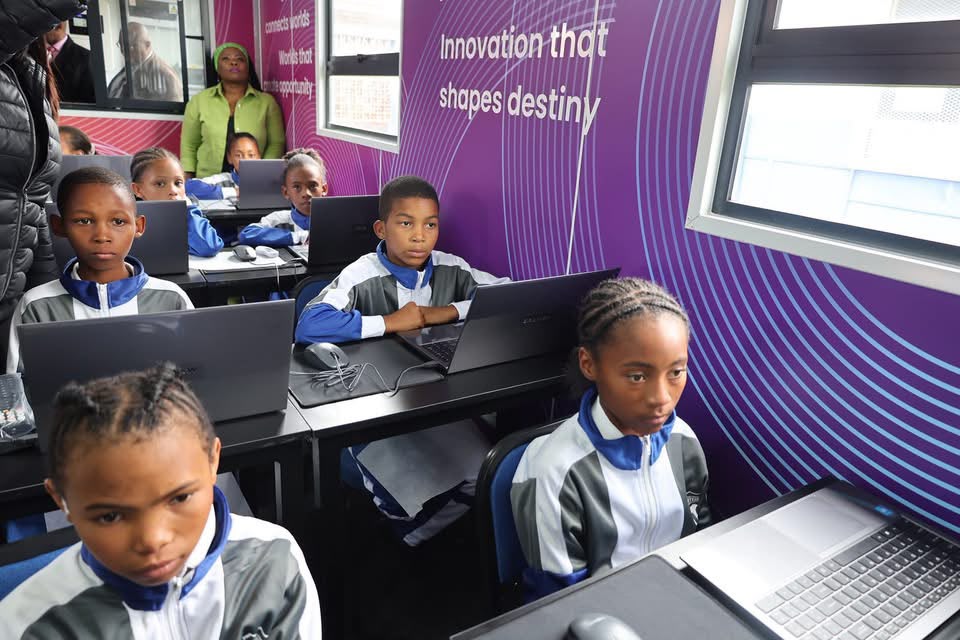
The facility, established through a partnership involving Liquid Intelligent Technologies, Microsoft, Devaire and the Department of Communications and Digital Technologies, will benefit 850 learners.
It was the first of two cyberlabs scheduled to open in Nelson Mandela Bay this week, with a second launch planned for Soutpan Primary School on Tuesday.
“It is about ensuring that the 850 children here have the tools they need to learn, connect, access information on the internet and participate meaningfully in the digital economy as they get older,” Malatsi said.
He said artificial intelligence (AI), cloud computing, automation and other technologies were transforming economies and changing the skills required in the workplace.
“The skills and platforms children need to learn and shape their future aspirations are changing just as fast. While we endeavour to implement the most advanced technologies and build the best solutions, these initiatives will stumble and fall flat if we don’t equip citizens with the skills and tools required to participate meaningfully in the digital economy.”
Malatsi said that failing to invest in training would widen inequalities between people with access to technology and reliable internet connectivity and those without.
Referring to his participation in CollectiveX’s digital-skills development conference the previous week, he said teaching children coding, robotics and software development could create opportunities in the digital economy.
He stressed that training programmes needed to be linked to employment.
ALSO READ: Gwarube dismisses ‘fake news’ matric exam leak claims
“We have to find better ways to match the right digital skills to the jobs available in the market. We have to take a chance on our youth once they have graduated from school, university and these programmes,” he said.
“We must measure every mobile digital lab launch, every skills and entrepreneurship programme development against the lives changed for young people.”
Malatsi said these initiatives should be assessed according to whether participants secured meaningful employment, contributed to their communities and lifted their families out of poverty.
He said government had a responsibility to ensure that geographical location and economic circumstances did not prevent people from participating in the digital economy.
“Our responsibility is to create an enabling environment where every South African – regardless of where they come from – has a fair opportunity to access connectivity, digital tools, and digital skills,” he said.
He added that government could not close the digital divide alone and that cooperation with businesses, educational institutions and communities was essential.
Malatsi also raised concerns about online safety, warning that children, women and older people were particularly vulnerable to online threats.
“Training people won’t just allow them to spot fake news, possible grooming and cyberbullying; it will teach them how to speak up, take action and flag nefarious behaviour.”
He said online safety education should begin at primary-school level, while digital platforms needed to do more to protect users.
Also speaking at the launch, Deputy Minister of Higher Education and Training Yusuf Cassim said he had approached Malatsi to request support for a digital laboratory at the school.
Cassim, who lives in Nelson Mandela Bay, said he wanted learners in communities that had struggled to attract investment to have greater access to educational opportunities.
He said the lab would allow learners to develop digital and artificial intelligence literacy and acquire skills relevant to further education and employment.
“A child’s circumstances should never become a ceiling on their ambitions,” Cassim said.
“We cannot speak about equal opportunity while some children continue to feel that their communities have been left behind. Every child deserves to know that their future matters, regardless of their circumstances or the neighbourhood in which they grow up.”
Cassim said government needed to connect school-level learning to vocational training, further education and employment opportunities.
ALSO READ: Umhlali school stabbing leaves six-year-old fighting for her life
He called for continued investment in underserved communities, saying the success of the initiative would depend on the opportunities learners could access after receiving training.
Addressing the learners, Cassim said: “Never allow anyone to make you feel that your dreams are too big for where you come from.”
He said children should not be expected to believe in a future that government was unwilling to invest in.
“Let us give them the tools, skills and opportunities to build that future for themselves,” he said.