
Staff Reporter
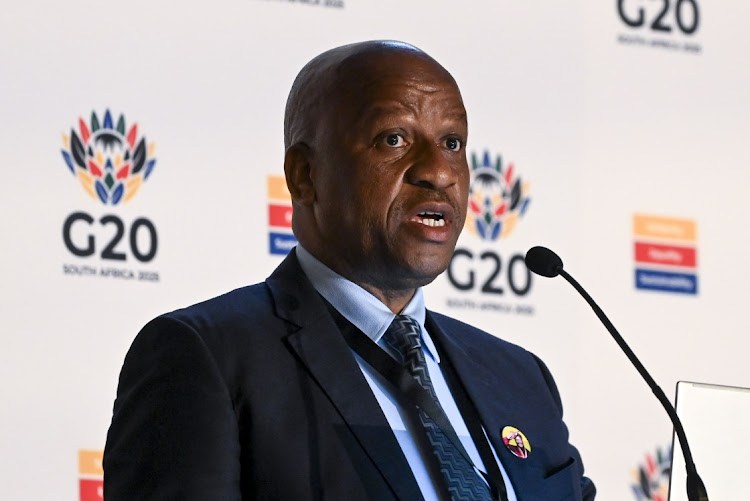
KwaZulu-Natal Premier Thamsanqa Ntuli has asked doctors trained in the province who are working abroad or elsewhere in South Africa to return home and help strengthen the health system.
“I never imagined that there would be a time when a doctor would be on the street saying, ‘We want jobs,’” Ntuli said, while delivering the keynote address at the UKZN Medical School Class of 2006 20-Year Graduation Anniversary Gala Dinner & Symposium at The Capital Zimbali Hotel in Ballito.
He said he was proud that KwaZulu-Natal had moved to address the unemployment of doctors, but acknowledged that financial and “systemic constraints” continued to limit the province’s ability to employ health professionals.
ALSO READ: CPUT extends academic year after three weeks of lost tuition from protests
He said the provincial government was investing in primary healthcare and expanding the health workforce as part of “a strategic shift toward a more proactive and resilient health infrastructure”, aimed at easing pressure on tertiary hospitals.
He praised the class of 2006 for using its 20-year reunion to raise money for current medical students, saying the gesture would help ensure KwaZulu-Natal “continues to produce future doctors who will heal the nation” and contribute to “a brighter future for the province and the country”.
Addressing the alumni, Ntuli said their contribution extended beyond treating patients in hospitals.
“Really, your commitment extends far beyond the clinical walls of hospitals. It permeates the very communities you serve, shaping the quality of life for countless individuals and families who rely on your expertise and compassion,” he said.
ALSO READ: Unisa appoints Professor Mpho Ngoepe as new vice-principal
Ntuli also warned of the emotional burden carried by medical professionals, saying the pressures of their work were often overlooked.
“The weight of the stethoscope, the late shifts, and the emotional toll of witnessing both profound recovery and devastating loss can quietly accumulate, creating a quiet, persistent burden that often goes unacknowledged.”
He described a “paradox” in which those who heal others “often find it most difficult to extend that same grace to their own weary spirits”.
Ntuli called self-care a “fundamental necessity” for sustaining empathy and quality healthcare and linked the experiences of the class of 2006 to the historical and economic pressures on South Africa’s health system.
ALSO READ: CPUT extends academic year after three weeks of lost tuition from protests
He said the graduates had entered medicine during “a time of profound transition”, as KwaZulu-Natal faced the combined pressure of chronic diseases and the HIV/AIDS pandemic.
“The healthcare system was stretched to its absolute limits, grappling with the dual burden of chronic disease management and the urgent and unrelenting demand for primary healthcare services,” he said.
Ntuli said doctors, nurses and community health workers had become “the bedrock of a society in flux, holding together the fragile infrastructure of public health with little more than their own unwavering dedication.”
He said the achievements of UKZN medical graduates were a “testament” to the university’s impact on society, with alumni influencing public policy as well as clinical care.
“Their contributions extend far beyond the clinical setting, living a narrative of transformation that resonates in the corridors of policymaking, where their expertise informs strategies that address the most pressing challenges of the time,” he said.
Ntuli also placed the class of 2006 within the history of apartheid-era exclusion and restrictions imposed on black doctors seeking to train and practise medicine.
“They had entered a profession that was only open to black people in the 1940s,” Ntuli said, adding that the class “could not afford to dishonour those who, although they had been admitted to medical schools, could not finish their degrees because they were not allowed to practise in white wards.”
Turning to more recent pressures on health workers, Ntuli said the COVID-19 pandemic had exposed “hidden vulnerabilities” in the medical profession.
“While others retreated to the safety of their homes, you were thrust into the epicentre of the storm,” he said.
ALSO READ: SADTU demands urgent action over alleged learner abuse of North West teacher
“The isolation of the pandemic did not merely separate you from your loved ones; it also severed a vital, unspoken connection you had with your patients, transforming the bedside experience into a sterile, impersonal barrier of plastic shields and muffled voices.”
Ntuli said the class of 2006’s decision to use its milestone anniversary to support current medical students demonstrated an enduring commitment to the profession and to the communities its members serve.