Home Blog Page 25

Gwarube launches read-aloud day with sign language version of children’s book  

0

By Charmaine Ndlela

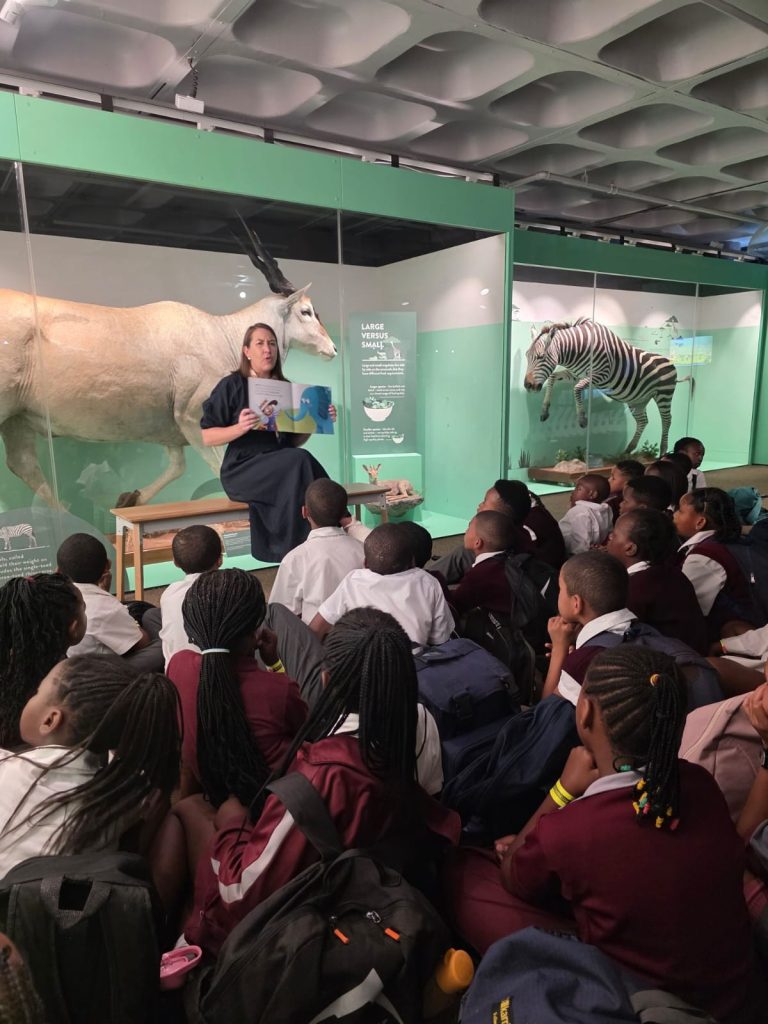
Basic Education Minister Siviwe Gwarube has launched South Africa’s Read Aloud Month by unveiling the official World Read Aloud Day story for 2026, “A New Friend”, produced for the first time in South African Sign Language alongside versions in all 12 official languages.
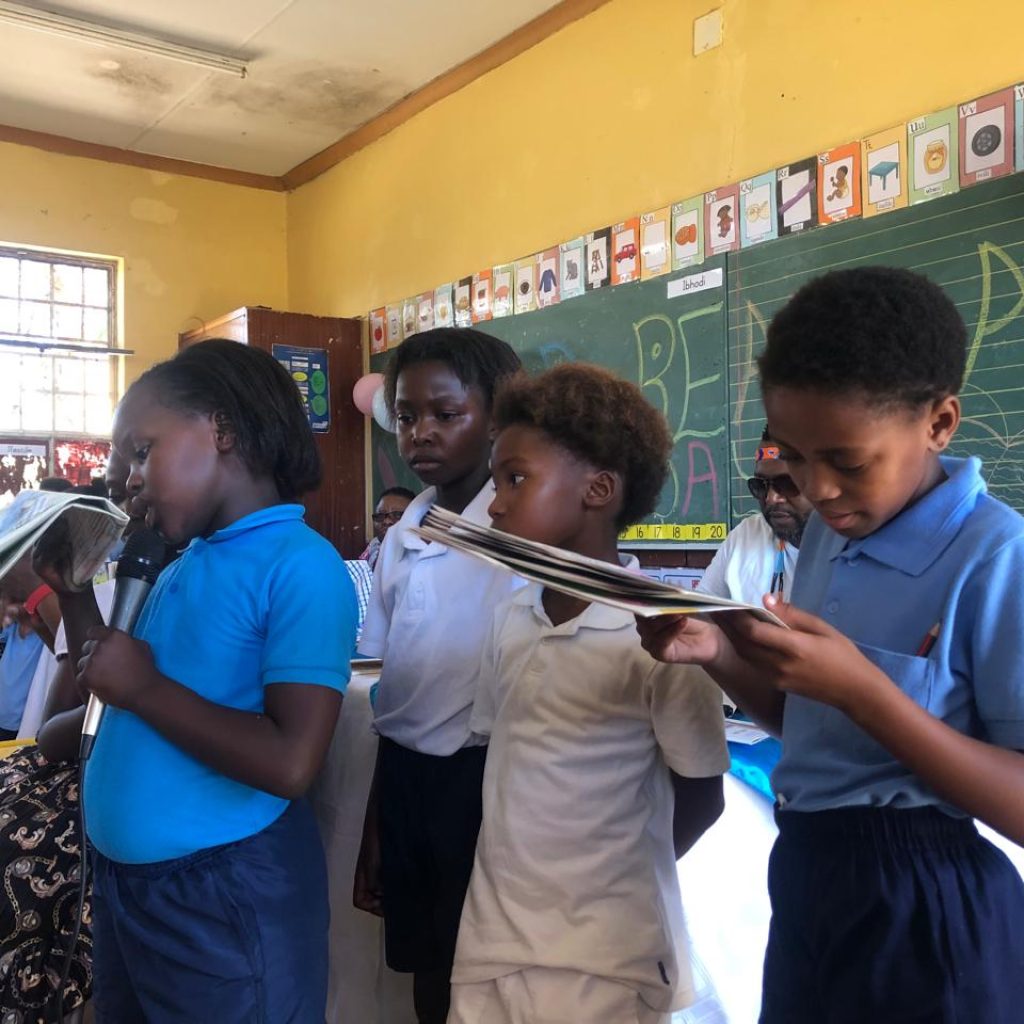
Gwarube launched the campaign at Megoring Primary School in Polokwane, where learners, educators, sector partners and community members gathered to celebrate reading and storytelling.

ALSO READ: Viola urges learners at first North West rural career expo to pursue STEAM

“World Read Aloud Day invites us to gather and to share in the wonder and splendour of stories and of books. This day reminds us that stories are not meant to be hidden away on shelves or confined to textbooks. Stories are meant to be heard, spoken, signed, shared and lived. They are passed from parent to child, from teacher to learner, and from one generation to the next,” said Gwarube.

World Read Aloud Day (WRAD), established in 2010 by LitWorld, is observed annually on the first Wednesday of February. The Department of Basic Education said the 2026 commemoration centres on “A New Friend”, developed in collaboration with Sign Language Education and Development (SLED).
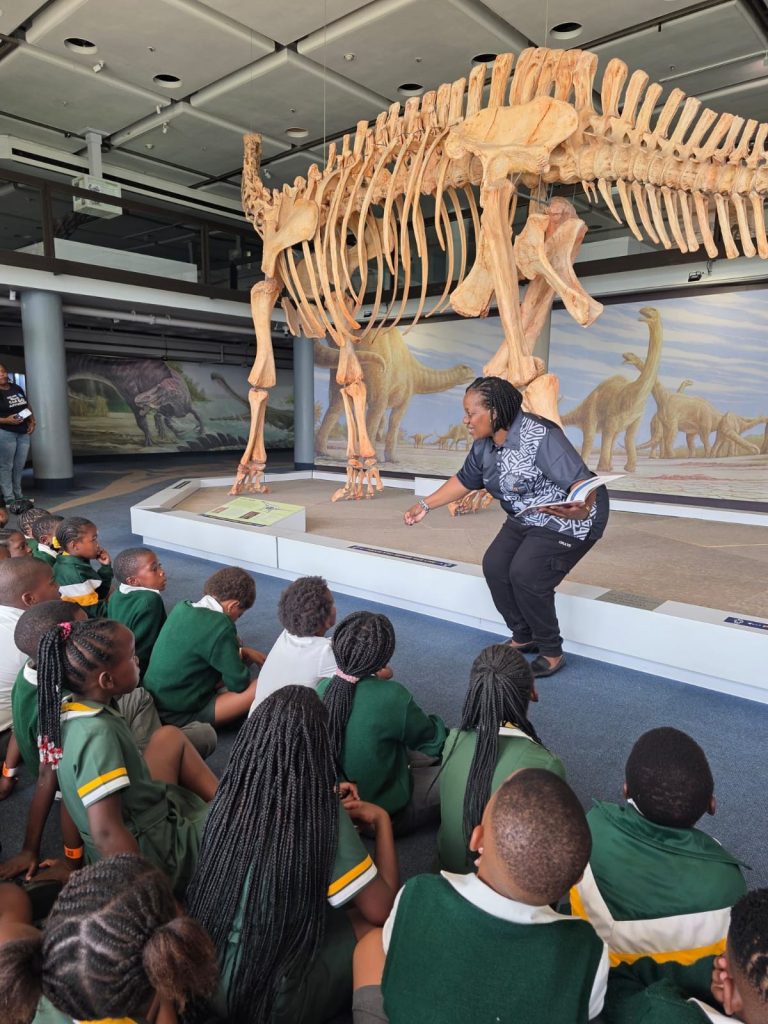
Gwarube said the commemoration represented “a landmark moment in South Africa’s literacy and inclusion agenda”.

“[A New Friend] was produced and disseminated in all 12 South African languages, reinforcing mother-tongue-based learning while advancing universal accessibility and inclusion for all children,” the department said in a statement.

It said that, for the first time, South African Sign Language was fully integrated across all World Read Aloud Day and Read Aloud Month activities, ensuring that deaf learners were able to participate meaningfully and on an equal footing with their peers.

ALSO READ: Ngcukaitobi urges DHET to back blended learning at Walter Sisulu University

It said this milestone aligned with the DBE’s commitment to inclusive education and equitable learning for all.

The launch was made possible by a partnership with the National Education Collaboration Trust (NECT) and the Nal’ibali Trust, which served as a core partner.
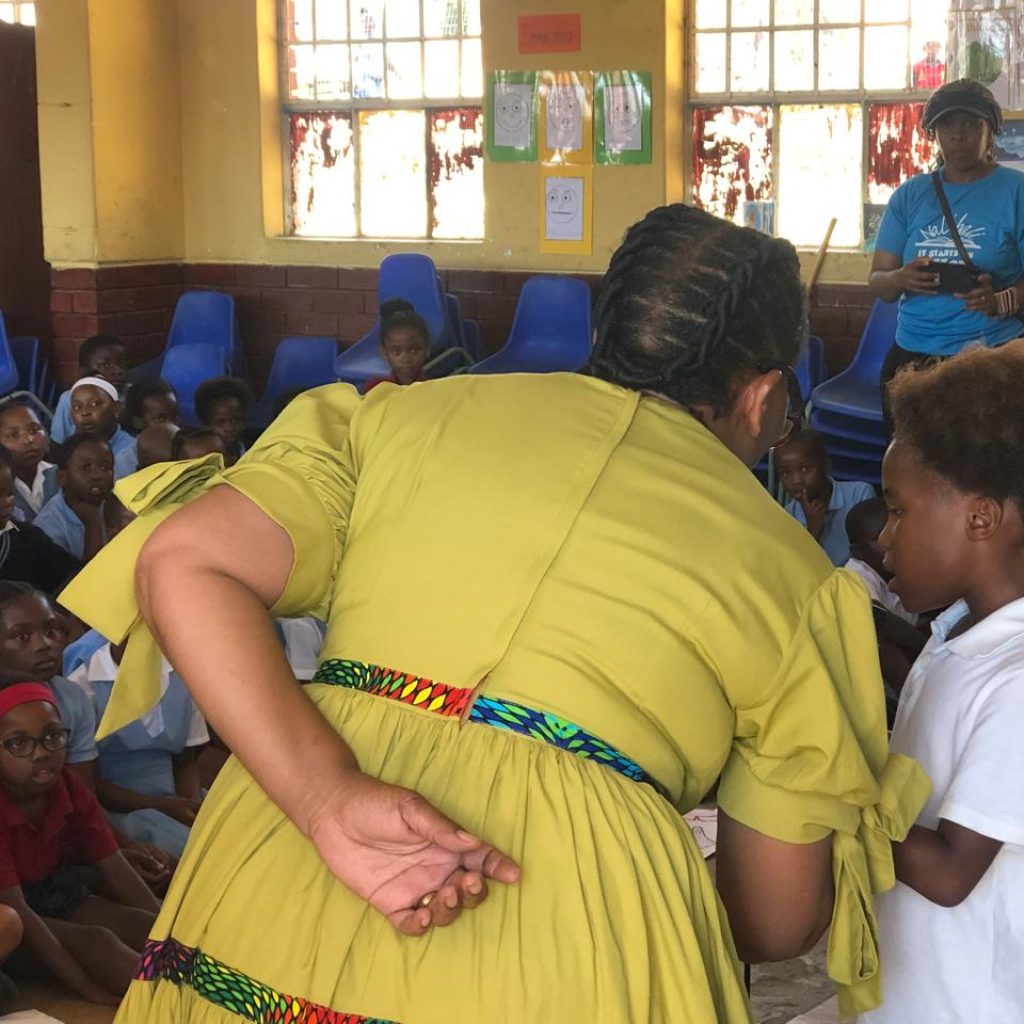
Nal’ibali — isiXhosa for “here’s the story” — was founded in 2012 to spark children’s potential through storytelling and reading among children from birth to 12 years of age.

Since its establishment, the organisation has led literacy change by mobilising adults to read with their children through its annual World Read Aloud Day celebrations.

“Through collaboration with education partners and civil society, World Read Aloud Day and Read Aloud Month continue to strengthen and expand South Africa’s national culture of reading and storytelling,” the department said.

Gwarube called on government, educators, parents, and communities to continue demonstrating the power of collaboration in advancing literacy and inclusion across the country.

INSIDE EDUCATION
Viola urges learners at first North West rural career expo to pursue STEAM

0

By Lebone Rodah Mosima 

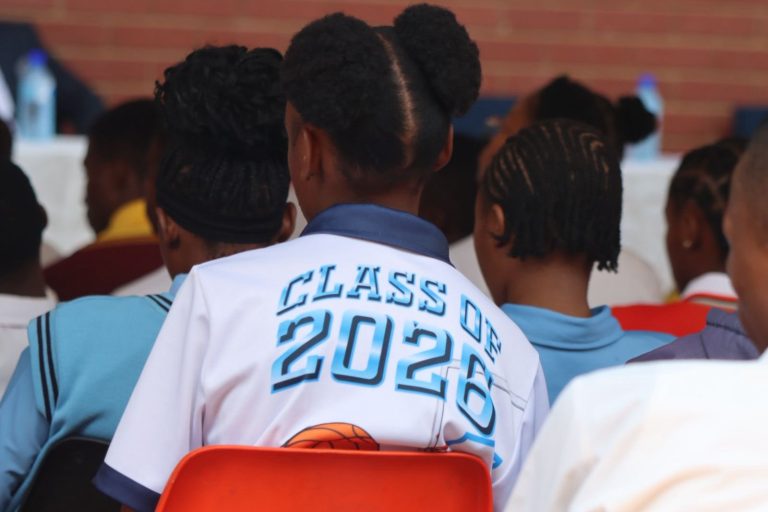
North West Education MEC Ntsetsao Viola on Tuesday encouraged learners from rural communities to take up Science, Technology, Engineering, Accounting and Mathematics (STEAM) subjects, saying the stream helps drive economic growth and shape young people’s futures.

Speaking in Mabaalstad Village, Viola was delivering the keynote address at the First Annual Rural Career Expo, an event intended to motivate learners to improve their academic performance and to raise awareness of post-matric career pathways.

ALSO READ: Ngcukaitobi urges DHET to back blended learning at Walter Sisulu University

“This Career Expo will promote careers aligned with the current South African socio-economic and skills landscape,” Viola said.

“STEAM education is broadly regarded as essential for achieving Vision 2030’s Sustainable Development Goals (SDGs), especially concerning industrialisation and job creation.”

Viola said the department was grateful for initiatives that create opportunities for learners, particularly those in rural areas who are “seldomly” exposed to such programmes.

She also reflected on the legacy of apartheid-era education, saying the system was deliberately structured along racial lines. She cited the Bantu Education Act of 1953, which she said provided Black learners with inferior, underfunded education aimed at manual labour.

“This racial segregation was reinforced spatially; rural areas and townships were where most Black South Africans were forced to live, with schools featuring overcrowded classrooms, limited learning materials, poor facilities, and high learner-teacher ratios,” she said.

Viola said these historical conditions contributed to persistent inequities and financial barriers that continue to limit access to higher education and deepen socio-economic differences.

Despite that history, she encouraged learners at the expo to believe their backgrounds did not define their future.

“I come from a small village in Mahikeng called Madiba Makgabana, and today I stand before you as the MEC for Education. My past did not predict where I would end up,” she said.

“To the young people — continue to dream, and dream big. Do not allow anyone to discourage or limit your aspirations. I stand before you as living proof that it is possible.”

ALSO READ: eThekwini threatens to cut water, electricity to Durban schools over disputed and unpaid bills

Viola also pointed to recent academic gains in the province, saying North West recorded an 88.49% matric pass rate in 2025, an improvement of 0.9%, and retained its fourth-place ranking nationally.

“It is important that whenever I have the opportunity to engage with our communities, I express my sincere gratitude for this milestone achievement and acknowledge the collective effort that made it possible,” she said.

INSIDE EDUCATION

Dube-Ncube launches 4IR lab at Letaba TVET College

0

By Levy Masiteng 

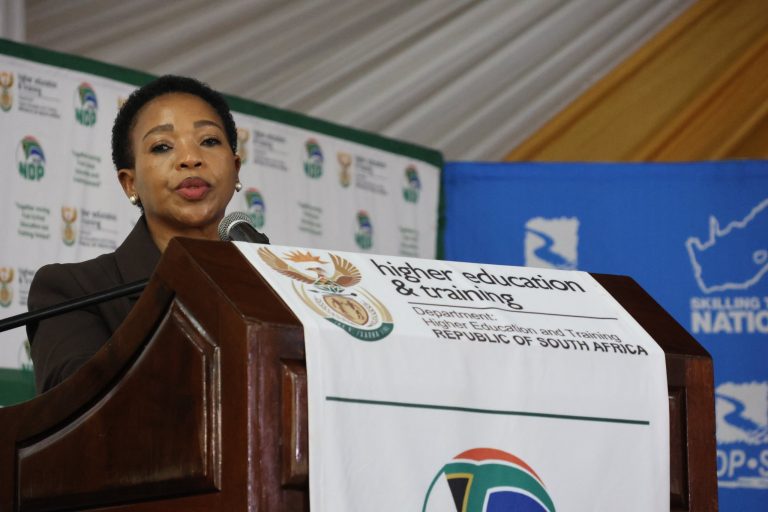
The deputy minister of Higher Education and Training, Nomusa Dube-Ncube, on Tuesday officially launched a Fourth Industrial Revolution (4IR) laboratory at Letaba TVET College’s Tzaneen Campus, saying it was a critical investment in shaping South Africa’s future skills pipeline and tackling unemployment.

According to the department, the lab is designed to equip students and lecturers with cutting-edge technological skills aligned to the demands of a rapidly changing job market. 

ALSO READ: Malema alleges IEC ‘thugs’ steal election votes, calls for members to be vigilant

It also provides access to modern digital tools, practical training platforms and innovation-focused learning that support careers in science, technology, engineering and mathematics (STEM).

Speaking during the handover,  Dube-Ncube said technology should be embraced rather than feared, while noting that innovation was moving at an unprecedented pace. 

She said that education, training and innovation are central pillars of the National Development Plan (NDP) 2030.

Addressing students, she said: “What it means for you here is that you are at the centre of ensuring that the mechanism of education is used properly by yourselves, to ensure that when you are linked to the job market, you can tangibly contribute to the reduction of unemployment.

 “This is particularly important with the increasing appetite in the job market for STEM careers.”

Dube-Ncube challenged students to take ownership of the national development agenda. 

ALSO READ: This is what O’ Sullivan will tell the ad hoc committee when he testifies about SAPS ‘capture’

She called on those in attendance to see themselves as custodians of the NDP, urging them to fully utilise the new facility.

“You must use the 4IR lab to its fullest capacity,” she said. “Learn from it, learn in it, and soar in your chosen careers.”

The 4IR project is funded by the ETDP SETA. It includes infrastructure development, refurbishment of the laboratory, training for students and lecturers, as well as the provision of specialised equipment needed to support advanced learning and innovation.

INSIDE EDUCATION

Gauteng scholar transport halt hits attendance as GDE seeks payment fix

Staff Reporter

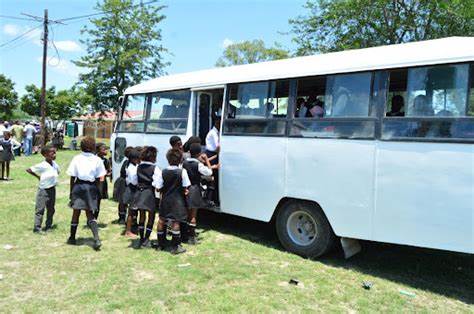
The Gauteng Education Department (GED) is in talks with public scholar transport operators to settle outstanding payments after some service providers halted operations on Monday, leaving learners stranded and contributing to low attendance at several schools.

The disruption comes just weeks after a fatal scholar transport crash in the Vaal area in mid-January, when a minibus transporting pupils collided with a truck near Vanderbijlpark, leaving 14 schoolchildren dead, and the driver of the minibus charged with murder.

The GDE said in a statement that it acknowledged the “challenges” currently affecting the GDE Scholar Transport Programme, which led to some providers stopping work on Monday.

The department said it was “actively engaging” with operators to address unpaid invoices.

“We appeal to service providers to provide a continuous, uninterrupted transportation of all learners under the programme as we work tirelessly within available financial processes to finalise payments accordingly,” the department said.

It advised schools to use appropriate academic recovery measures to ensure that teaching and learning remained on track until the matter was resolved.

“We remain committed to collaboration and constructive engagements with our stakeholders in resolving any matters that may arise. To this end, we encourage all our stakeholders to always engage with us on issues they face within the sector,” said Education MEC Matome Chiloane.

INSIDE EDUCATION

Ngcukaitobi urges DHET to back blended learning at Walter Sisulu University

By Charmaine Ndlela

Walter Sisulu University (WSU) has urged the Department of Higher Education and Training (DHET) to create an enabling environment for online and blended learning, a move the institution believes could increase its overall enrolment from about 30,000 to 60,000 students.

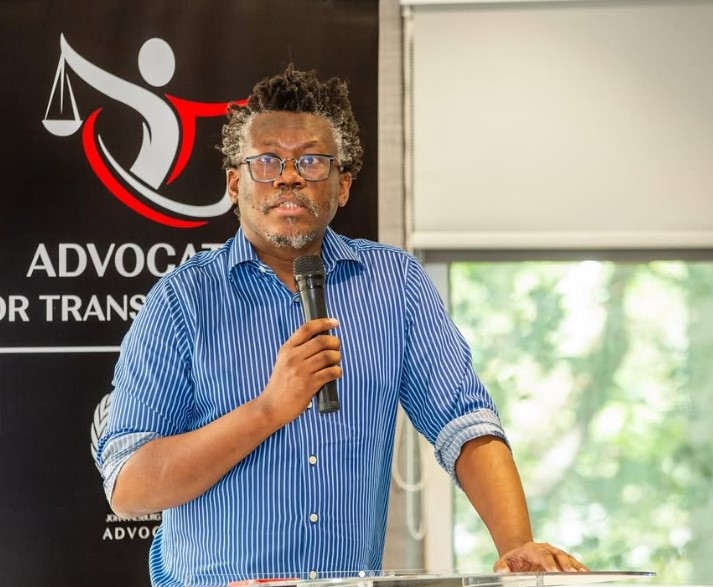
WSU Council Chairperson, Advocate Tembeka Ngcukaitobi, said the university had received more than 500,000 applications from first-year students for 2026, but only had space to admit about 7,000.

“The system is deliberately producing young people who will never acquire the skills needed to participate in the economy. At the very least, we should accommodate them within virtual walls,” Ngcukaitobi said.

The call follows an oversight visit by the Parliamentary Portfolio Committee on Higher Education on Monday, aimed at highlighting and addressing long-standing challenges faced across WSU campuses.

Committee Chairperson, Honourable Walter Teboho Letsie, said the visit was a direct response to concerns raised by staff, students and the broader WSU community.

“The reason we came to this campus is because of the various issues and challenges faced by staff, students and the WSU community,” Letsie said.

The committee acknowledged frustrations caused by ongoing pressures, including inadequate infrastructure, with campuses such as Komani requiring urgent refurbishment.

In response, the committee proposed exploring a joint oversight mechanism between the Portfolio Committees on Higher Education and Public Works, as the land occupied by WSU falls under the authority of the Department of Public Works.

Reaffirming Parliament’s broader mandate, Letsie said, “We must, as a committee, exercise our responsibilities to empower and improve the conditions of our universities so that students can prosper and become productive members of society, capable of changing the socio-economic trajectory of this country.”

Ngcukaitobi also highlighted severe water shortages on campus, noting that students are sometimes forced to carry buckets in search of water. He appealed to the DHET to support the university in securing sustainable infrastructure solutions.

“There is a clear path towards building and completing a self-sufficient water system for the campus and the greater Whittlesea community, which will benefit students, staff and the public,” he said.

The committee acknowledged the issue of stabilising the campus water supply.

“We saw the pump station the university is building to address critical water infrastructure needs, and from my perspective, the efforts are satisfactory thus far,” Letsie noted.

Despite these challenges, WSU reported that it has registered 27,608 students to date and confirmed its readiness to roll out the 2026 teaching and learning programme across all campuses.

INSIDE EDUCATION

eThekwini threatens to cut water, electricity to Durban schools over disputed and unpaid bills

By Thapelo Molefe

An estimated 10,000 learners across at least 17 public schools in Phoenix, north of Durban, are facing disruptions to their education as the eThekwini Municipality threatens to disconnect electricity and water services over unpaid bills, Inside Education has learned.

According to several well-placed sources, municipal workers have already visited schools armed with bolt cutters and tools, issuing disconnection notices and, in some cases, attempting to cut power lines on the spot, only backing down after desperate pleas from school principals.

Schools claim the municipal bills are inflated due to damaged or missing meters that were never replaced, despite communication with authorities. One school reportedly owes over R1 million.

Phoenix Pioneer Primary School has already been disconnected. Sources in the area said that the “crisis” is impacting critical services including the National School Nutrition Programme, with no refrigeration available for perishable food. 

Learners who depend on insulin for diabetes can no longer safely store their medication, and classrooms operate without ventilation during sweltering heat.

“There’s no telephone lines, no faxing, no printing, no internet,” an official from Phoenix Pioneer told Inside Education on Monday. The person asked not to be named, fearing repercussions.

“The situation is not being spoken about. Society is being desensitised to injustice.”

Mahathma Primary School principal Kishin Singh confirmed that while his school has not yet been disconnected, he received notices last week Wednesday and Thursday of intentions to do so. 

“I was visited by the electricity department who issued me a notice to cut electricity. [The person with the notice] carried tools to cut the wires,” Singh said. 

“I pleaded with him and explained my difficulties and I asked him to leave. My fear is that I will be visited by eThekwini in the near future and be disconnected.”

Sources said that the disconnections would affect at least 10 000 learners, if enforced.

IFP Councillor Jonathan Annipen, whose constituency is Phoenix-based, has lodging a formal complaint with the South African Human Rights Commission (SAHRC).

In his complaint, Annipen said the actions violate Section 29(1)(a) of the Constitution, which guarantees every child the right to basic education.

Annipen said in his submission that even if the municipality followed proper debt-collection procedures, the disconnections represent “a direct limitation” of children’s constitutional rights and breach cooperative governance principles.

The crisis comes as KwaZulu-Natal celebrated ranking first nationally in the 2025 matric examinations, an achievement the IFP says is now being undermined.

The municipality had not responded to questions from Inside Education at the time of publication. Its response will be added once received.

INSIDE EDUCATION

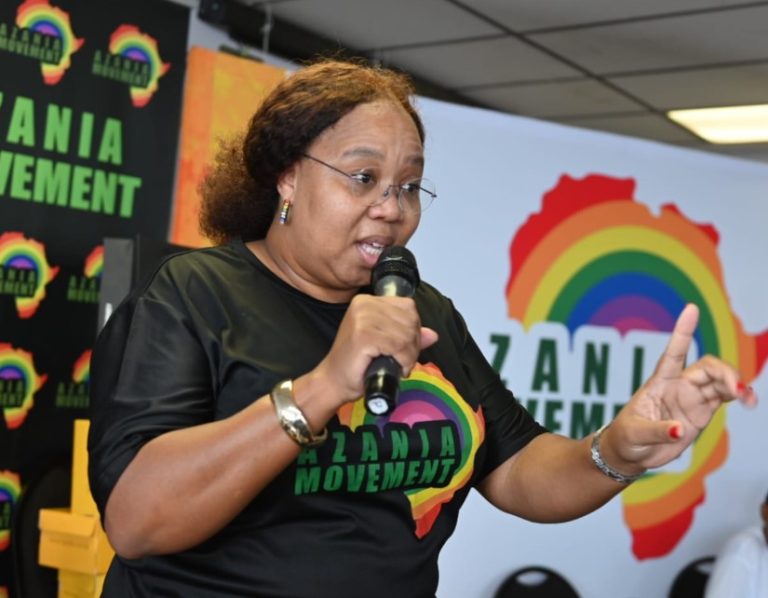
Youth-led Azania Movement steps up school oversight in Ekurhuleni

By Charmaine Ndlela

The Azania Movement has launched a back-to-school drive that includes oversight visits to schools, saying it aims to monitor education standards and assess learner support systems.

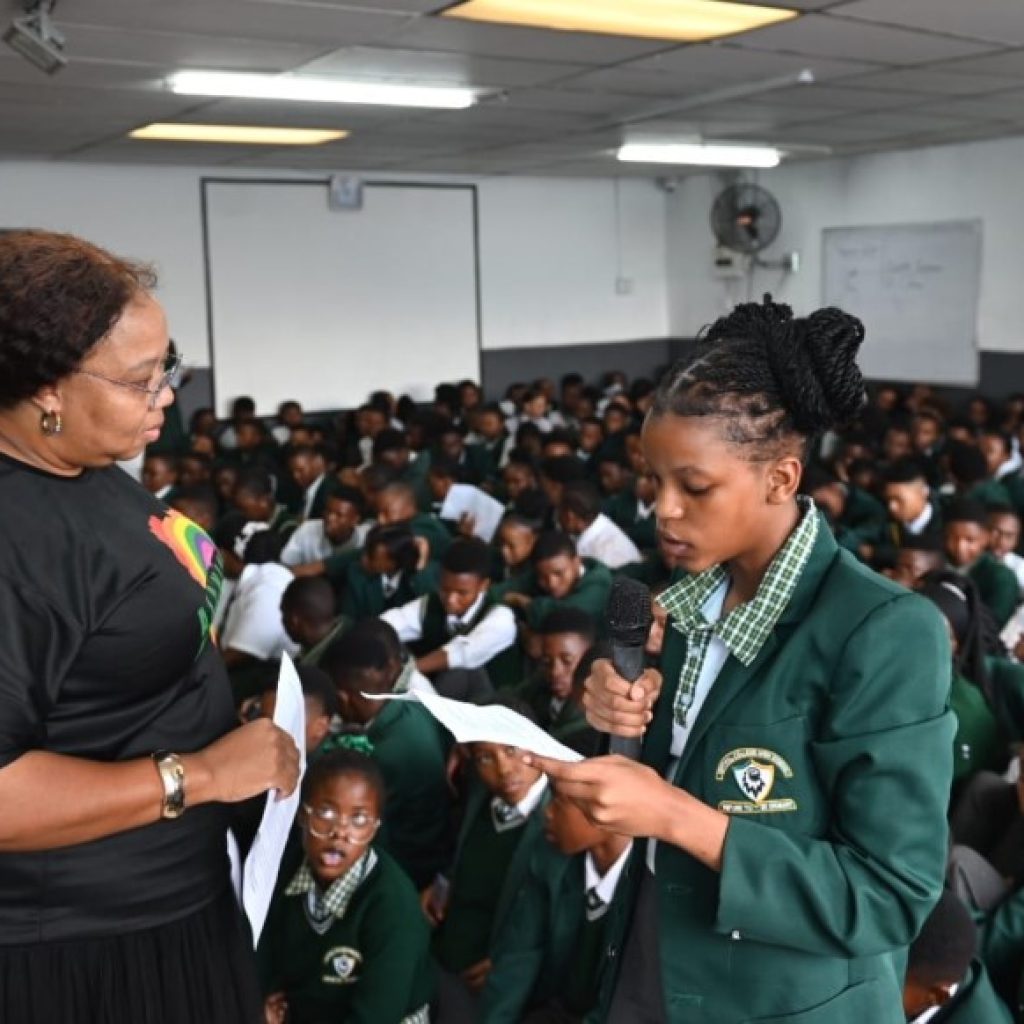
The youth-led, non-partisan organisation visited Central College High School in Ekurhuleni, Gauteng province, as part of what it said was advocacy for education quality, service delivery and learner development.

Speaking to Inside Education, Azania Movement Chief Administrator Anelisa Nkonjwa said the visit was part of a long-running programme focused on mentorship and leadership development.

“This visit forms part of a programme that has been personally led by the President of the Azania Movement (Nolubabalo Mcinga) since 2016, focusing on youth mentorship, leadership development, and empowerment,” said Nkonjwa.

She said the drive aligns with the movement’s civic education programme.

“As a movement, this visit is aligned with our civic education programme, which places young people at the centre of social, economic, and political transformation,” she said.

“We believe the youth are not only the future, but the present drivers of change, and they must be equipped early with values, critical thinking skills, leadership capacity, and an understanding of governance and citizenship.”

Nkonjwa said the visit was intended to be substantive, with the movement engaging directly with learners.

Azania Movement president Nolubabalo Mcinga interacting with learners.

“Our presence at the school was not symbolic. It reflects who we are and what we stand for as a movement, rooted in empowering young people, nurturing conscious learners, and supporting schools as spaces that produce active, informed, and responsible citizens,” she said.

“Engaging learners directly allows us to listen, guide, and expose them to opportunities such as civic participation and continental leadership platforms.”

“In essence, this visit reaffirms our belief that investing in youth is investing in the future of South Africa and Africa, and that meaningful transformation begins by walking alongside learners where they are.”

She also raised concerns about wider challenges in the education system, including discipline, teacher support and learning standards.

“There is an overemphasis on children’s rights at the expense of teacher authority, which has compromised discipline and safety in schools,” she said.

“Teachers are increasingly vulnerable and unsupported.”

“The 30 percent pass mark lowers standards and weakens learner potential instead of encouraging excellence,” she said.

Nkonjwa said senior-phase learners also lacked pathways to develop practical skills.

“The absence of vocational and entrepreneurial subjects prevents the early identification and development of practical talents,” she said.

She cited a case in which efforts to introduce cosmetology were unsuccessful.

“The school was informed that there is no annual teaching plan and no trained facilitators for such subjects, despite strong interest in vocational skills development,” she said, adding that outsourcing skills programmes remains a viable option.

The movement’s visit also followed concerns raised about infrastructure and service delivery constraints at the school, including rental and utilities.

“Central College operates as a non-profit organisation and pays exorbitant rent,” said Nkonjwa.

“The school pays for water and electricity but does not have access to the meters, which are kept by the landlord. They must rely on the landlord to load utilities.”

She said the school had not been allocated land by the municipality, which she said limited facilities for learners.

“Despite operating for over ten years, producing strong matric results, and easing pressure on public schools, the Ekurhuleni Municipality has not allocated land to the school,” she said.

“This deprives learners of playgrounds, sports facilities, and open spaces that are critical for their physical, mental, and emotional well-being,” she said.

Nkonjwa described Central College as a diverse institution.

“The school is co-educational, multicultural, and multi-faith, and it does not discriminate on religious or cultural grounds,” she said.

But she said inequalities persisted.

“Inequality is evident in infrastructure limitations, lack of technology compared to schools in affluent areas, and limited capacity to meet sports and extracurricular expectations,” she said.

Despite these constraints, she said teaching and learner support at the school were strong.

“Teaching commenced on the first day of the school calendar, syllabus coverage is on track, and there is a clear commitment from management and educators to deliver quality education,” she said.

“The school operates as a family-oriented institution and provides emotional, cognitive, and psychosocial support, including food for learners who arrive hungry, and a zero-tolerance approach to bullying,” she said.

Nkonjwa said Central College High School and Eyrie Brook Primary School in Brackenhurst still had capacity for new learners, particularly in Grade 1 and Grade 8.

“These schools can assist learners who have not yet been placed in government schools and are awaiting late admissions,” she said.

The movement plans to expand the drive to more schools.

“The Azania Movement will continue visiting schools across Ekurhuleni, Gauteng, and other provinces as part of our education oversight and civic education programme,” she said.

“Further locations will be announced as engagements are confirmed.”

INSIDE EDUCATION

Ministers partner with Microsoft SA to hand over refurbished digital lab at Soweto school

Staff Reporter

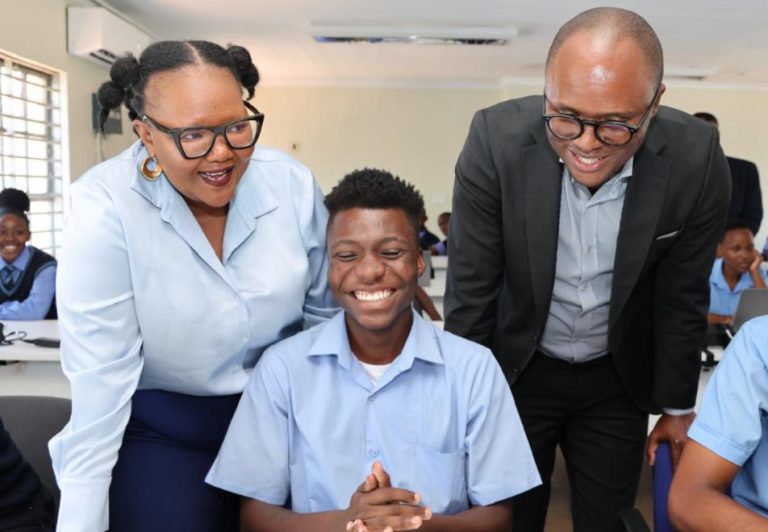
Basic Education Minister Siviwe Gwarube and Communications and Digital Technologies Minister Solly Malatsi on Monday jointly handed over a newly refurbished digital laboratory at Phefeni Secondary School in Soweto.

The ministers said the handover marked “an important milestone in government’s efforts to expand digital access, strengthen teaching and learning, and prepare young South Africans for a rapidly changing, technology-driven world”.

The digital lab was made possible through a partnership with Microsoft South Africa and supporting partners including Jozi My Jozi.

According to the department, this was “a tangible investment in the future of learners and educators at Phefeni Secondary School and the broader Soweto community”.

The handover reflected a shared commitment by the departments “to ensure that schools are not only safe and dignified spaces of learning but are also equipped to participate meaningfully in the digital economy”.

Both ministers said access to reliable digital infrastructure is no longer a luxury, but a necessity, adding that digital labs open pathways for learners to develop critical digital skills, enhance literacy and numeracy through technology-enabled learning, and gain exposure to tools increasingly essential for higher education and work.

While highlighting the progress represented by the handover, the ministers said many schools across the country still face serious infrastructure challenges, including unsafe buildings, overcrowding and limited access to learning resources, and said partnerships with the private sector are critical to accelerate change and address historical backlogs.

The ministers also emphasised that the initiative was not “a handover to government alone,” but to learners, educators and the community of Phefeni Secondary School, and said the lab’s success would depend on collective ownership, responsible use and protecting and maintaining the facility “so that it continues to benefit future generations”.

Speaking at the handover, Asif Vallley, Microsoft’s National Technology Officer, said: “Phefeni Secondary School has always been a symbol of courage and possibility for Soweto. By modernising this computer lab and creating brighter, more engaging classrooms, we’re not just upgrading facilities – we’re opening doors.

“This lab will help prepare learners with the digital skills they need for the jobs of the future. Together with our partners, we want every learner who walks into this space to feel that their future in the digital economy is real, and that they have the skills and support to step into it.”

The handover also aligned with South Africa’s broader development trajectory, the department said, noting that with Africa projected to have the largest working-age population in the world by 2050, investing in digital skills at school level is essential to unlock future productivity, innovation and inclusive economic growth.

The ministers called on learners to use the digital lab responsibly and to be “curious, ambitious and committed to their studies,” while encouraging educators to leverage the new tools to innovate in classrooms, support every learner and nurture critical thinking and confidence.

INSIDE EDUCATION

Dube-Ncube says scholarships, training with China key as SA shapes education strategy

0

Staff Reporter

The Department of Higher Education and Training (DHET) is preparing a sector-wide workshop on international relations as it moves to finalise an international relations strategy meant to better align global academic partnerships with national skills needs and research priorities, deputy minister Nomusa Dube-Ncube said on Sunday.

The process is aimed at strengthening coherence and strategic alignment across the post-school education and training sector.

ALSO READ: SA pours cold water on WAFCON hosting speculation

Dube-Ncube made the announcement while speaking at the South African Students in China Association’s (SASCA) third virtual national conference.

She said the gathering was a platform to deepen engagement on South Africa–China relations and the role of students in that relationship.

Through trade, investment, infrastructure development, and technological collaboration, China had strengthened strategic alliances on a bilateral level, she said.

On multilateral platforms such as the United Nations, G20 and BRICS, China had played an increasingly prominent role in advancing collective action, South-South cooperation, and a more inclusive and multipolar global order.

She said China was widely expected to play a leading role in advancing the BRICS agenda, leveraging its economic strength and global reach to deepen cooperation among member states.

ALSO READ: Malema alleges IEC ‘thugs’ steal election votes, calls for members to be vigilant

She said the department’s planned engagement would help steer a more coordinated approach to international education and research at a time when South Africa is reassessing how the Post-School Education and Training (PSET) system can respond to priorities including economic recovery, skills development and innovation.

Dube-Ncube said students were the “end-product of this developmental partnership”.

She said cooperation with China in higher education and training — particularly through the People-to-People Exchange Mechanism — remained “timely and strategic”.

A key element of the collaboration, she said, was expanding scholarship opportunities and short-term training programmes.

“These initiatives are essential to equipping South African students and professionals with advanced skills, global exposure and specialised training in priority areas aligned to South Africa’s development needs. They also contribute to building a cadre of globally competent graduates, who are well-positioned to contribute to the economy and public service upon their return.”

She said internationalisation had become essential to innovation, competitiveness and high-quality research.

“Alliances with foreign organisations offer opportunities for collaborative research, jointly supervised postgraduate education, innovation hubs and information sharing, especially in developing nations.”

She said the department’s sector-wide engagement would also feed into the final strategy document.

ALSO READ: This is what O’ Sullivan will tell the ad hoc committee when he testifies about SAPS ‘capture’

“[The IRS strategy] will provide a clear policy framework to guide South Africa’s international cooperation in higher education and training. This strategy will serve as a critical instrument in aligning global partnerships with national skills needs, research priorities, and South Africa’s broader development agenda,” she said.

She said that while international partnerships were important, they needed to be guided by clear national priorities, mutual benefit and long-term capacity building.

She told SASCA members to act as “a bridge of unity, learning, and cultural exchange” and encouraged students to embrace challenges.

“Let us carry the spirit of South Africa wherever we go, inspiring others through our actions, our culture, and our commitment to excellence,” she said.

INSIDE EDUCATION

SA pours cold water on WAFCON hosting speculation

0

By Thapelo Molefe

South Africa has quelled speculation that it is preparing to host the 2026 TotalEnergies Women’s Africa Cup of Nations (WAFCON), insisting that no decision has been taken to relocate the tournament and that Morocco remains the official host.

In a media statement issued on Sunday, Sport, Arts and Culture Minister Gayton McKenzie clarified comments made by his Deputy Minister at the Hollywoodbets Super League Awards, which had sparked debate about South Africa’s possible involvement as a host of the continental showpiece.

ALSO READ: Malema alleges IEC ‘thugs’ steal election votes, calls for members to be vigilant

McKenzie said South Africa had merely indicated its willingness to support the Confederation of African Football if alternative hosting arrangements became necessary, but stressed that this did not amount to a confirmation or assumption of hosting duties.

“At this stage, no formal decision has been taken to relocate the tournament, and Morocco remains the officially designated host of the 2026 Women’s Africa Cup of Nations,” McKenzie said. 

“CAF has not yet triggered any alternative hosting process.”

The minister said that the engagements with CAF formed part of routine contingency discussions as the governing body considers various scenarios in line with its responsibility to safeguard the interests of African football.

He said that any move for South Africa to host WAFCON would be subject to strict governance and government procedures, and could only happen if CAF formally requested alternative hosting arrangements.

According to the statement, several conditions would need to be met before South Africa could be considered, including cabinet approval, confirmation of host cities, stadium availability, accommodation and transport capacity, as well as the conclusion of government guarantees and operational agreements.

ALSO READ: This is what O’ Sullivan will tell the ad hoc committee when he testifies about SAPS ‘capture’

“Any potential hosting of the tournament by South Africa would be subject to established government and football governance processes, in partnership with the South African Football Association and other stakeholders,” McKenzie said.

He added that the deputy minister’s remarks should be understood in context, noting that they reflected government’s longstanding commitment to supporting African football and South Africa’s confidence in its ability to stage major international sporting events.

“The remarks made by the Deputy Minister do not constitute a formal confirmation or assumption of hosting responsibilities,” McKenzie said.

South Africa has a strong track record of hosting high-profile sporting events, including the 2010 FIFA World Cup, and major rugby and cricket tournaments. 

This history has often placed the country at the centre of speculation whenever continental or global events face uncertainty.

ALSO READ: WATCH: Mchunu not off the hook as Ramaphosa faces cadre protection accusations

McKenzie said the department, together with SAFA and other stakeholders, would continue engaging with CAF in a “structured and responsible manner”, but cautioned that any public announcements would only be made once all processes had been finalised.

“Any further announcements will be made only once all required processes have been concluded and formal decisions taken,” he said.

The ministry reiterated that its broader focus remained on a long-term strategy to attract major sporting events as a means of boosting sport development, tourism, economic growth and South Africa’s international profile.

“The Ministry of Sport, Arts and Culture will continue to pursue a long-term strategy of hosting major sporting events to boost sport, tourism, economic growth and the image of the country on the world stage,” McKenzie said.

INSIDE EDUCATION