Home Blog Page 3

DA takes child pregnancy crisis to SAHRC over failures to prosecute statutory rape

By Johnathan Paoli

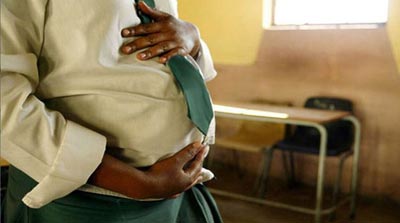
The Democratic Alliance (DA) has lodged a complaint with the South African Human Rights Commission (SAHRC), accusing multiple government departments of failing to protect children from sexual abuse and statutory rape, after evidence presented to Parliament revealed significant gaps in reporting, investigation, and prosecution.

DA spokesperson on Women, Youth and Persons with Disabilities, Angel Khanyile in a statement on Sunday, said the party’s submission to the commission would include findings from a nationwide investigation conducted by the DA’s internal task team on gender-based violence, which examined how government departments respond to child pregnancies and suspected sexual abuse cases.

“The numbers simply do not add up, and Departments are working in silos, failing to comply with statutory reporting requirements, indicating a catastrophic failure in data management and sharing. Our children deserve to be protected, and at the very least, the systems in place to protect children should work,” Khanyile said.

The complaint follows recent presentations to Parliament’s Portfolio Committee on Police, where police and government officials disclosed that thousands of statutory rape cases have either been withdrawn or failed to result in prosecutions, despite high numbers of child pregnancies and births recorded across the country.

According to the DA, information obtained from various departments revealed major discrepancies between the number of child pregnancies and births recorded by health authorities and the number of cases reported to law enforcement agencies.

The party highlighted data from the Department of Health showing that 122,302 adolescents gave birth during the 2023/24 financial year, including 2,716 girls aged between 10 and 14 years old.

By contrast, SAPS reported only 610 statutory rape cases during the same period.

Police statistics showed that nearly 40% of victims were 15 years old, while almost a third were 14 years old and more than 20% were 13 years old.

The DA further pointed to police data indicating that only 129 child births, 138 child pregnancies and 27 miscarriages or terminations involving children were reported for criminal investigation during 2023/24.

“What the DA uncovered should shock every South African. We believe that the fundamental constitutional rights of a child to dignity and to be protected from abuse are being violated by flawed systems that are working in silos,” Khanyile said.

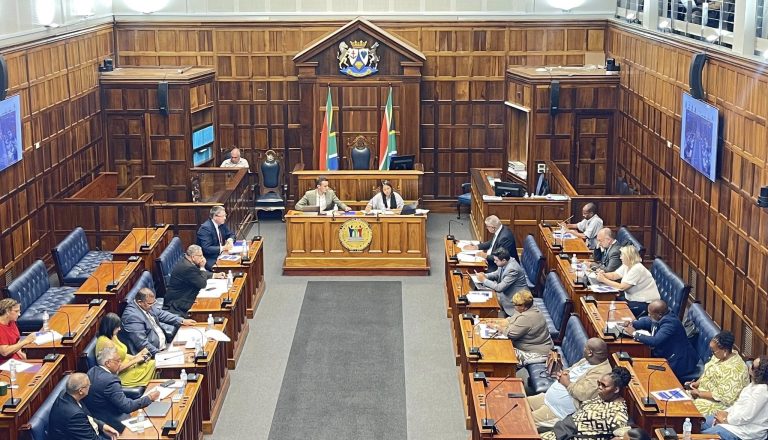
The issue came under intense scrutiny during the meeting of Parliament’s Portfolio Committee on Police last week, where members expressed alarm at the number of statutory rape cases that have been withdrawn over the past five years.

Police told MPs that 1,853 of the 3,232 statutory rape cases opened between the 2020/21 and 2024/25 financial years were withdrawn.

Portfolio Committee chairperson Ian Cameron described the figures as deeply concerning and called for stronger interventions to ensure offenders are prosecuted.

“SAPS must strengthen measures against adults who fail to report incidents of statutory rape and provide statistics on actions taken against those who neglect this legal obligation,” Cameron said.

Police officials attributed the withdrawal of cases to a range of social, economic and cultural factors, including financial dependence on perpetrators, fear of stigma, intimidation of victims and families, and the use of alternative dispute resolution mechanisms within communities.

Acting Deputy National Commissioner for Crime Detection Lieutenant-General Hilda Senthumule stressed that rape cases cannot legally be withdrawn by complainants because such offences are crimes against the state.

Committee members were particularly critical of failures by government institutions to report suspected statutory rape cases.

The DA’s complaint also cites provincial examples.

In KwaZulu-Natal, the Department of Social Development reportedly recorded no statutory rape reports to SAPS in 2024 despite receiving more than 2,000 related complaints.

In Mpumalanga, over 65,000 children aged between 10 and 19 gave birth in health facilities between 2020 and 2025, yet only a handful of cases were referred to social development authorities.

Khanyile said the party would ask the SAHRC to urgently investigate what it described as systemic failures across government departments, identify accountability measures and recommend reforms to better protect children.

INSIDE EDUCATION
NSFAS administrator welcomes court ruling to reinstate whistleblower

Inside Education Reporter

The National Student Financial Aid Scheme administrator, Professor Hlengani Mathebula, has welcomed the Labour Court ruling to reinstate Facilities Manager Alfred Abrahams, saying the agency will abide by the decision.

The administrator said in a statement released on Saturday that the ruling to reinstate Abrahams was critical and affirmed the role of whistleblowers in the fight against corruption.   

Abrahams was dismissed in May 2023 after he made protected disclosures related to a lease of a building in Cape Town that cost NSFAS R 2 million per month while the building stood empty or was too big for NSFAS requirements. 

ALSO READ: Residents stage Mabahambe march in Benoni

In his ruling, Judge R Lagrange found that “All the evidence points to the overwhelming cause of his dismissal being his disclosure of the information of various acts of wrongdoing on the part of NSFAS Management.” 

The administrator said this was progress in making protected disclosures regarding procurement irregularities, acted in the public interest, and was in accordance with the principles of good governance. 

“This judgment is an important affirmation of the rights of whistleblowers and the critical role they play in upholding integrity and accountability within public institutions. As Administrator, I wish to state unequivocally that NSFAS fully supports whistleblowers and is committed to creating a safe environment where employees are empowered to raise legitimate concerns without fear of victimisation or retaliation,” the administrator said.  

Mathebula said the courage demonstrated by individuals who came forward to report wrongdoing was essential to fostering a culture of transparency, ethical conduct, and continuous improvement.

“Let me be clear: under my stewardship, NSFAS will be managed in strict adherence to the highest standards of corporate governance, with a firm commitment to collective accountability,” he said, before adding, “This means that every member of staff, regardless of rank, is expected to act in good faith and in the best interests of the organisation and the students we serve. We will continue to strengthen our policies and practices to  ensure that all procurement and other critical processes are conducted with fairness, transparency, and due diligence.”

Mathebula said the good corporate governance was not merely a compliance exercise but the foundation upon which public trust should be built.

ALSO READ: FIFA World Cup 2026: Broos eyes legacy defining run with Bafana Bafana

He said it requires rigorous internal controls, open channels for reporting concerns, and a clear, unwavering commitment to ethical behaviour at every level of the organisation. 

The administrator promised to intensify regular training on corporate governance, review and enhance NSFAS whistleblower protection mechanisms, and hold all employees accountable for upholding these standards.

“We recognise that employee accountability goes hand in hand with support and protection for those who act to safeguard the integrity of the organisation. Our approach will be holistic: we will not tolerate any  form of misconduct or procedural irregularity, nor will we allow whistleblowers to be silenced or  marginalised,” Mathebula said

INSIDE EDUCATION

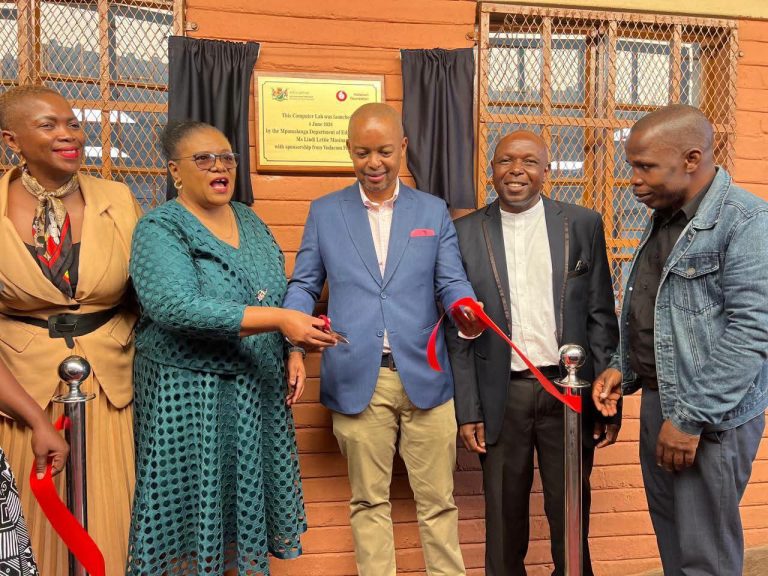
Vodacom invests R4m in ICT hub for Mpumalanga special needs school

By Lebone Rodah Mosima

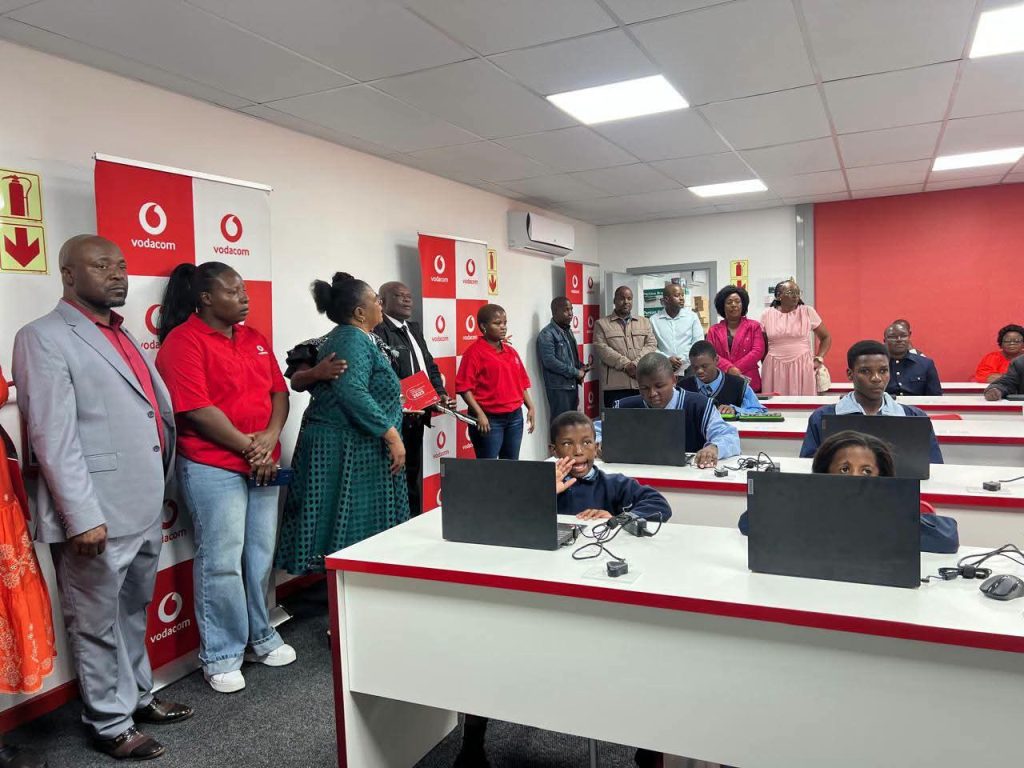
Vodacom Foundation has invested R4 million in advanced information and communication technology (ICT) infrastructure at Silindokuhle Special Needs School in e-Mangweni, Mpumalanga, as part of efforts to expand digital access for learners with disabilities.

The investment includes a fully installed local area network (LAN), specialised assistive technology, renovated computer laboratories and a secure storage facility.

The project forms part of the School of Excellence (SoE) model, a partnership between Vodacom Foundation and the Mpumalanga Department of Education.

Vodacom Mpumalanga managing executive Monde Ngcukana said technology could help unlock opportunities for all learners, regardless of their circumstances.

“This initiative at Silindokuhle Special Needs School is about more than just connectivity. It is about dignity, inclusion and ensuring that no learner is left behind in the digital age,” said Ngcukana.

“We are proud to partner with the Department of Education to bring meaningful solutions that empower learners with disabilities to learn, grow and thrive.”

Vodacom Foundation said the SoE model, launched in 2019 in support of government’s Education Vision 2030, currently reaches about 40,000 learners at 39 schools across South Africa.

Each school is linked to an Early Childhood Development Centre, Teacher Centre and Vodacom ICT Academy, creating an integrated support network for learners, educators and surrounding communities.

Silindokuhle Special Needs School caters for learners with severe physical disabilities, including those who are deaf, visually impaired and learners with intellectual disabilities.

Ngcukana said a visit to the school three years ago revealed significant barriers to ICT access, as conventional computers were not suitable for many of the learners.

“We partnered with the Vodacom Foundation at head office to build a computer centre tailored to the needs of these learners, in line with similar facilities established elsewhere in the country,” he said.

Vodacom has also deployed computer teachers and psychosocial support workers to assist learners and support their development.

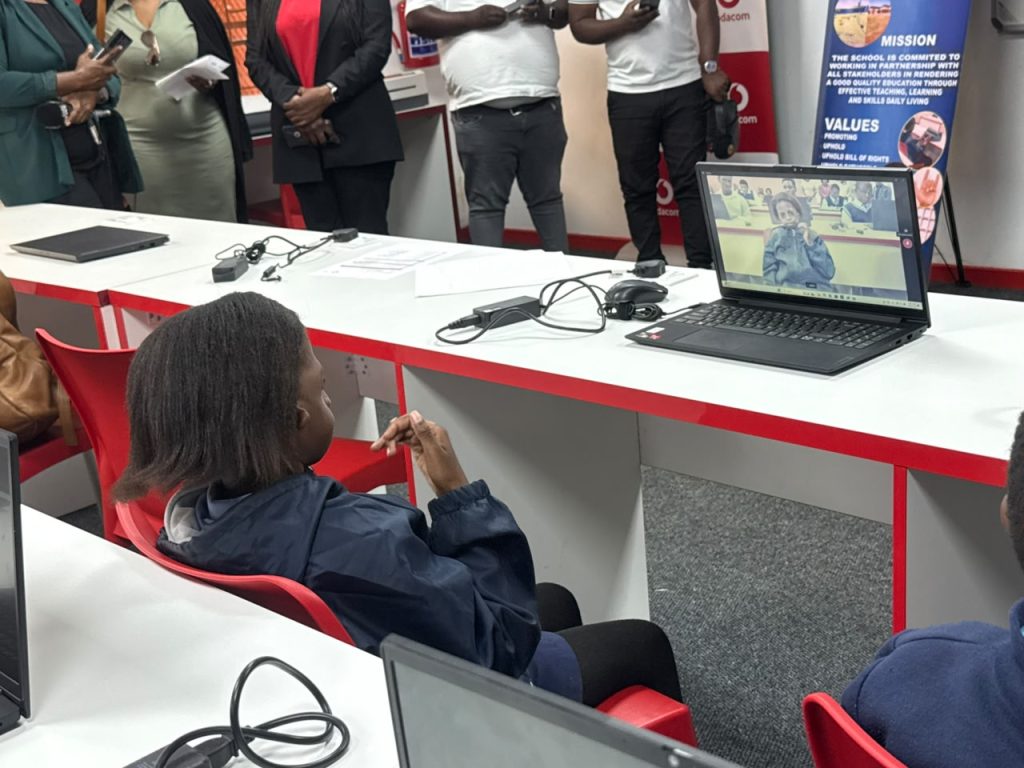
Ngcukana said all 39 Schools of Excellence are equipped with interactive whiteboards, allowing teachers to conduct lessons across multiple schools through internet-connected cameras and touchscreen technology.

Dedicated connectivity links enable learners to conduct research, complete assignments and apply for tertiary education opportunities.

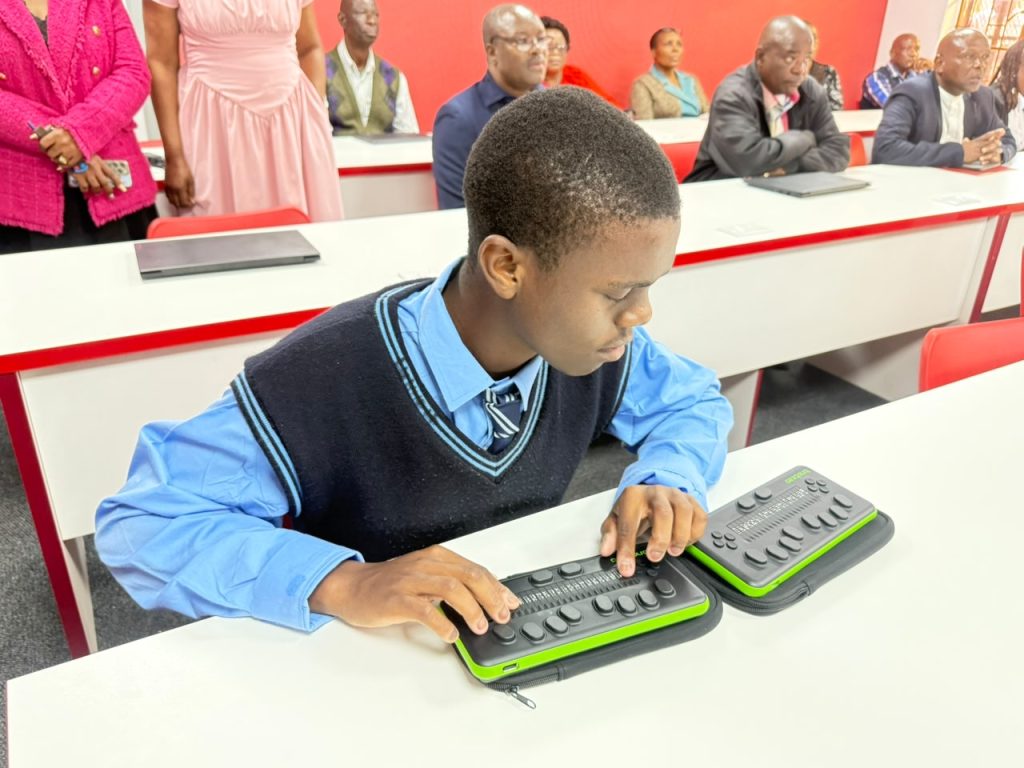
According to Vodacom, the intervention includes specialised assistive technologies designed to improve accessibility and promote inclusive learning.

The company said educators had received customised training to ensure effective use of the technology, while an ICT specialist had been assigned to provide ongoing technical support and capacity building.

“These tools will significantly improve learners’ ability to access educational content, communicate effectively and participate more independently,” Vodacom said.

Ngcukana said the initiative could serve as a model for future partnerships with special-needs schools as Vodacom expands its technology-driven education programmes.

He urged communities to help protect the facility and its equipment.

“If anything happens to this equipment, it affects not only individual learners and families but the wider community, because this school supports surrounding schools as well,” he said.

The Mpumalanga Department of Education said the digital laboratory would also support the Ubuhlebuzile e-learning programme, aimed at narrowing the digital divide in Quintile 1 to 3 schools.

As part of the project, Vodacom donated 30 laptops, a ViewPlus Rogue Sheet tactile Braille printer, Fusion software licences, 13 talking scientific calculators, 12 Braille note-taking devices and 18 portable book readers with Wi-Fi connectivity.

Photos: Supplied/VodacomFoundation

INSIDE EDUCATION

WCED rejects racial profiling claims, clashes with Parliament over admissions inquiry

By Charmaine Ndlela

The Western Cape Education Department (WCED) has rejected allegations of racial profiling in learner admissions, describing claims raised during a parliamentary committee meeting as “false and misleading”.

The response follows a meeting of Parliament’s Portfolio Committee on Basic Education, which raised concerns over the WCED’s failure to provide requested information on learner admissions and placement practices in the province.

The committee met national and provincial education officials on Wednesday as part of a follow-up engagement on allegations of racial profiling in school admissions, particularly in the Western Cape.

Members also referred to a Western Cape High Court ruling that found aspects of the province’s admissions policies discriminatory toward historically disadvantaged communities.

In a statement issued to Inside Education, the WCED disputed the committee’s characterisation of the matter and defended its handling of learner placements.

The committee said concerns about admissions and placement practices had been raised by parents and civil society organisations. It further noted that the High Court, in a judgment delivered last year, found that the province’s late-application admissions policy indirectly discriminated against Black, poor and rural learners.

Committee chairperson Joy Maimela said members had expected a comprehensive report detailing progress made in addressing concerns identified by the court.

“What we expected was a presentation that comprehensively covers what we have requested the department to do. What we have before us does not appear to do that,” Maimela said.

The committee also criticised Western Cape Education MEC David Maynier for submitting correspondence only a day before the meeting, saying it undermined Parliament’s ability to prepare adequately.

“Somehow we are made to beg for information as Parliament, and that we will never accept,” Maimela said.

The committee has given the WCED seven days to submit the requested information and has referred the matter to Parliament’s House Chairperson for Committees and the Office of the Speaker.

Maynier, however, described the meeting as “a complete shambles” and accused the committee of creating a false impression that an investigation into racial profiling had taken place.

“The committee deliberately misled the public by creating the impression that there was an investigation into racial profiling. There was no such investigation, and the Department of Basic Education has clarified that it was in fact a monitoring and evaluation exercise,” he said.

Maynier said the exercise had been conducted in all nine provinces, but that the committee had focused only on findings relating to the Western Cape.

“We have not received a report with supporting evidence on the alleged findings. The findings are therefore untested and unverified,” he said.

He also argued that the High Court matter was separate from the committee’s discussions and remained suspended pending further legal processes.

“The court judgment was an entirely separate matter before the committee, which is suspended and sub judice. The committee conflated and confused the two matters. We did not indicate that the DBE presentation was sub judice,” Maynier said.

The WCED said the Department of Basic Education had been expected to present findings from an oversight and monitoring exercise, rather than an investigation conducted by the committee.

According to the department, the DBE was not allowed to deliver its presentation and the WCED was not given an opportunity to respond to the findings.

INSIDE EDUCATION

ANCYL, SADTU students demand SACE scrap teacher subscription fees

By Lebone Rodah Mosima

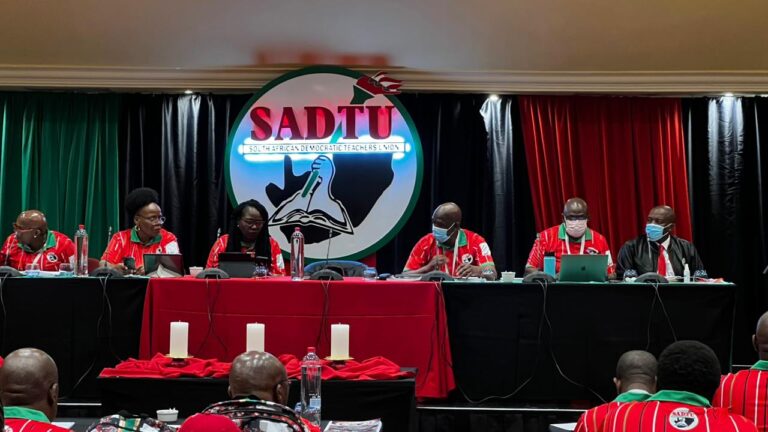
The ANC Youth League (ANCYL) and the SADTU Students’ Chapter have called on the South African Council for Educators (SACE) to scrap “unfair fees imposed on unemployed educators”.

SACE currently charges educators a R200 registration fee and an annual levy of R180, or R15 a month. Educators must be registered with SACE before they can be appointed to a teaching post.

In a joint statement, the ANCYL and South African Democratic Teachers’ Union Students’ Chapter said forcing unemployed teachers to pay fees to remain registered with SACE was unfair and deepened exclusion.

“We condemn the coercive subscription fees imposed on unemployed educators, which stifle opportunity and perpetuate inequality,” they said.

“We demand that SACE immediately retract its decision to levy unfair fees on unemployed educators. It is time to hold institutions accountable to the very youth they are meant to serve.”

The organisations said they had met to chart a way forward in support of unemployed youth and other marginalised groups, against an economic system that “side lines” ordinary South Africans.

“This meeting issued a clarion call for a united front towards the upcoming local government elections, and the SADTU Students Chapter assured its support to the ANC Youth League in the broader fight against the exclusion of our masses from the economic benefits of this country,” they said.

“Both organisations agreed to work hand in hand to advance the National Democratic Revolution.”

Stats SA’s latest Quarterly Labour Force Survey showed the country’s official unemployment rate increased to 32.7% in the first quarter of 2026, from 31.4% in the previous quarter.

Youth remain among the hardest hit, with Stats SA reporting that the unemployment rate for people aged 15 to 24 stood at 60.9% in the first quarter of 2026, while unemployment among those aged 25 to 34 was 40.6%.

Stats SA also reported that employment in the community and social services sector fell by 206,000 jobs quarter-on-quarter, the largest decline among all industries.

“We call on the Department of Employment and Labour and the Department of Basic Education to re-employ all teachers who were removed from temporary teaching programmes,” organisations said.

They also said they would campaign for the ANC ahead of the 2026 local government elections.

“We resolved to embark on a vigorous campaign to rally support for the ANC in the upcoming local government elections. This is a crucial moment for our democracy, and we call on all young people to rise and ensure that their voices are heard at the ballot box.”

The organisations also raised concerns about undocumented migration, saying government needed a firm but humane response to such.

“This issue poses serious security challenges, and we demand comprehensive measures that ensure the safety and stability of our nation while respecting human dignity,” they said.

They said they were ready to lead young people in a protest to the Union Buildings to demand urgent government action on youth unemployment.

“We will not stand by while our future is compromised. The youth of South Africa deserve better, and we will fight for immediate solutions.”

INSIDE EDUCATION

WATCH: Applications open for Global Goals 2030 Africa Scholarship

By Charmaine Ndlela

Employers across Africa are being urged to apply for the third intake of the Global Goals 2030: Africa Scholarship before applications close on 30 June 2026.

Championed by the Graduate Institute of Financial Sciences (GIFS) and Dr Phumzile Mlambo-Ngcuka’s Umlambo Foundation, the scholarship aims to expand access to quality education and skills development while helping employers prepare their workforce for jobs of the future.

The third application intake opened on 15 May 2026 and offers employers access to a wide range of qualifications, from higher certificates and diplomas to bachelor’s degrees, master’s programmes, MBAs and doctoral studies.

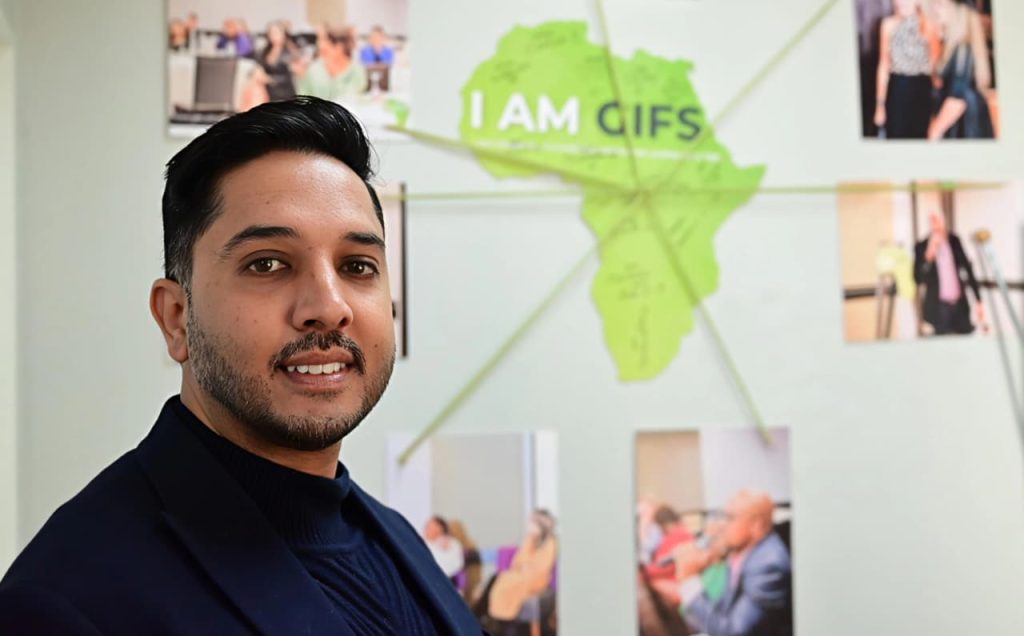
GIFS Chief Executive Officer Dr Kershen Pillay told Inside Education the scholarship is aligned with the United Nations Sustainable Development Goal 4, which promotes inclusive and equitable quality education for all.

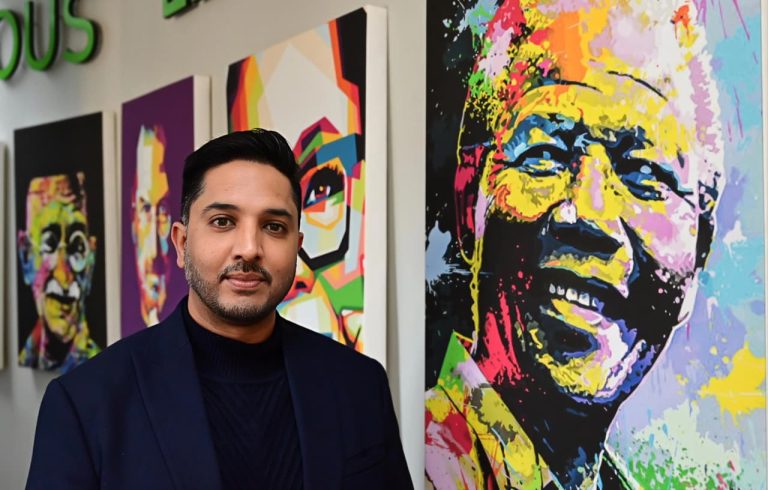
GIFS, CEO Dr. Kershen Pillay. Photo: Eddie Mtsweni

“The Global Goals 2030 Africa Scholarship is a call to quality education and equal access to quality education,” Pillay said.

He said Africa’s rapidly growing youth population means the continent must invest now in developing future-ready skills.

“By 2050, Africa will have the youngest youth population in the world. The global workforce will increasingly look to Africa for talent, but we need to be ready. The question is how we upskill and create catalytic opportunities for young people and workers today,” he said.

The scholarship focuses not only on current labour market needs but also on emerging industries and future occupations.

“We looked at what the jobs of tomorrow will be and how we can create a pipeline of talent for those opportunities. We don’t want to educate for education’s sake. We want learning to be linked to real-world experience and employment opportunities,” he said.

To achieve this, GIFS has partnered with employers across the continent to help shape training programmes and provide practical workplace experience for scholarship recipients.

The initiative is open to employers of all sizes and across all sectors, including mining, technology, engineering, manufacturing, retail, healthcare and financial services.

Pillay said participating employers can use the scholarship to upskill existing staff or develop new talent through internationally recognised qualifications.

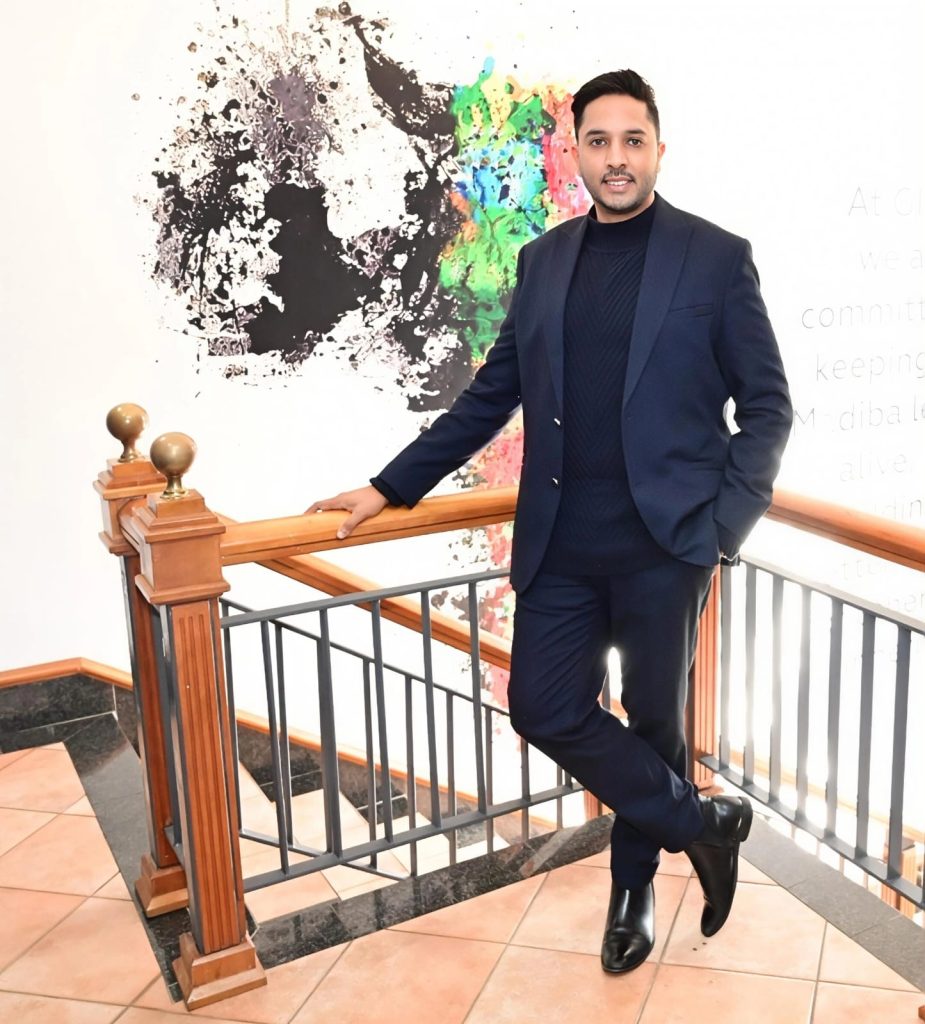
GIFS, CEO Dr. Kershen Pillay. Photo: Eddie Mtsweni

“What we are doing is democratising education. Whether you are a large employer or a small employer, the opportunity is available on a first-come, first-served basis,” he said.

The scholarship includes more than 16 bachelor’s programmes, over 55 master’s programmes, and more than 37 doctoral programmes.

In addition to employees, employers may also nominate their children’s dependents for selected undergraduate and postgraduate programmes.

Pillay said the initiative was developed following consultations involving GIFS, the United Nations Development Programme (UNDP), the African Union Development Agency-NEPAD and the Umlambo Foundation, which identified a shortage of tertiary education opportunities across the continent.

“There are not enough tertiary institutions and opportunities to meet the demand of our youth. If we do not provide opportunities, we are limiting their futures. This scholarship is a lifeline and a source of hope for young Africans and for employers concerned about developing future talent,” he said.

The programme offers fee reductions of up to 70% and flexible online learning options designed to make higher education more accessible to working professionals and students across Africa.

Employers interested in applying can visit the Global Goals 2030 Africa Scholarship website or email info@gifs.africa or they can log on to global goals website which is globalgoals-2030.com for further information 

Successful applicants can expect to receive feedback from the adjudication committee within seven days after the funding window closes.

INSIDE EDUCATION

Court rules matric results can still be published

Staff Reporter

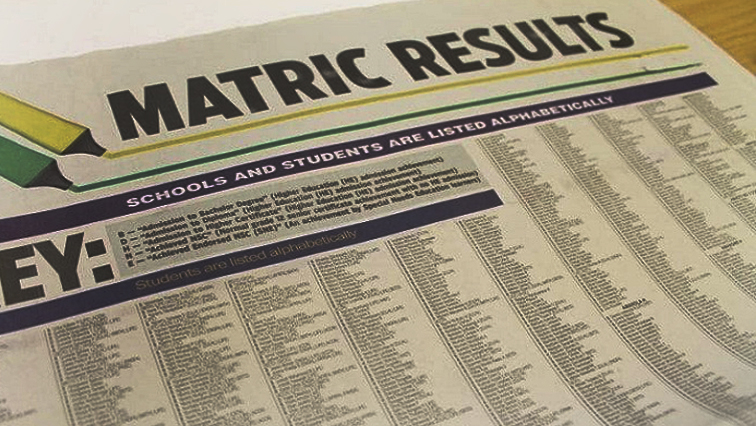
The High Court in Pretoria has rejected a bid by the Information Regulator to appeal a ruling that allows matric results to be published in newspapers and online using exam numbers.

The ruling keeps in place the court’s earlier decision setting aside the regulator’s enforcement action against the Department of Basic Education (DBE) over the publication of National Senior Certificate results.

The dispute centred on whether publishing results without learners’ names, but with examination numbers, amounted to the unlawful processing of personal information under the Protection of Personal Information Act (POPIA).

ALSO READ: More than 1.1 million learners report school violence, Stats SA says

The Information Regulator had argued that learners could still potentially be identified and that the department should not be allowed to publish the results in that format.

But the Gauteng High Court found that the regulator had not shown that another court would come to a different conclusion.

Judge Omphemetse Mooki, sitting with Judge Letty Molopa-Sethosa and Acting Judge Mark Morgan, said there were no reasonable prospects of success.

“I am also not persuaded that the application raises compelling reasons that warrant granting leave to appeal,” Mooki said.

The ruling follows the court’s earlier decision to set aside the regulator’s November 2024 enforcement notice and December 2024 infringement notice against the department. The infringement notice included a R5 million administrative fine.

In that judgment, the court found that results published by examination number alone did not, on their own, identify individual learners.

The regulator had also challenged the court’s use of the phrase “personally identifiable information”, arguing that this was not wording used in POPIA.

Mooki rejected that argument.

“I am not persuaded that the expression ‘personally identifiable information’ offends against the POPIA, or that it constitutes legislation by a court.”

The Information Regulator may still approach the Supreme Court of Appeal directly for leave to appeal.

Unless that happens successfully, the DBE may continue publishing matric results using exam numbers only.

ALSO READ: NSFAS seeks former beneficiaries owed R77 million in loan overpayment refunds

AfriForum, which was one of the parties in the litigation, welcomed the ruling.

“This is a victory for the disclosure of information that is in the public interest,” said Alana Bailey, AfriForum’s head of cultural affairs.

Bailey said the case also had wider implications for research and public-interest data where people are protected through codes or numbers rather than names.

“Several research fields work with information of individuals who can only be identified by numbers or codes. This is used to protect their right to privacy and anonymity,” Bailey said.

INSIDE EDUCATION

More than 1.1 million learners report school violence, Stats SA says

By Charmaine Ndlela

More than 1.1 million learners in South Africa have experienced some form of violence at school, with 14% reporting physical violence by teachers, according to a report released by Statistics South Africa (Stats SA) during Child Protection Week.

The report, based on data from the General Household Survey (GHS), highlights the continued prevalence of violence against children in schools despite ongoing efforts to strengthen child protection measures.

Stats SA estimated that 1,156,009 learners had experienced violence at school. Physical violence by teachers was reported by 14% of learners, compared with about 8% who reported physical violence by fellow learners.

The report was released as South Africa marks Child Protection Week, observed from May 29 to June 5 under the theme, “Working Together in Ending Violence Against Children”, aimed at raising awareness of children’s rights and promoting collective action to prevent abuse.

According to the findings, younger children were particularly vulnerable. Learners aged between five and eight years reported the highest levels of violence, with incidents peaking at age seven, when 20.6% reported experiencing violence, and again at age 13, at 19.5%.

Stats SA said the findings pointed to critical periods of vulnerability during early schooling and adolescence.

Data collected between 2009 and 2024 showed that the proportion of learners aged five years and older who experienced corporal punishment declined by 10 percentage points over the period. While the reduction was gradual in earlier years, the most significant decline occurred between 2015 and 2024.

The report also found that peer-perpetrated violence remained a concern. Physical violence by fellow learners was most common among seven-year-olds, with 16.3% reporting such experiences.

The findings suggest that aggressive peer interactions often emerge during the early years of formal schooling.

Verbal abuse was found to be more prevalent among learners than teachers. About 21% of learners identified fellow learners as the source of verbal abuse, compared with 12% who reported verbal abuse by teachers.

The highest incidence of verbal abuse was recorded among seven-year-olds, with 30.1% reporting exposure, underscoring the vulnerability of learners in the early primary school years to bullying and peer aggression.

Gender disparities were also evident. Females accounted for about 63% of reported cases of verbal abuse involving teachers and 58% of physical violence cases perpetrated by teachers.

The report concluded that younger learners, particularly those around the age of seven, face heightened vulnerability to violence at school, while girls are disproportionately affected by teacher-related abuse and verbal violence.

Stats SA said the findings underscore the need to ensure schools remain safe environments that support children’s development, learning and wellbeing.

INSIDE EDUCATION

NSFAS seeks former beneficiaries owed R77 million in loan overpayment refunds

By Lebone Rodah Mosima

The National Student Financial Aid Scheme (NSFAS) says it has identified thousands of former beneficiaries who are collectively owed about R77 million in refunds arising from overpaid study loans, most of which date back to before 2010.

NSFAS said on Wednesday that it had launched a refund campaign in November 2015, through which approximately R48.4 million was refunded or otherwise resolved.

However, some former debtors could not be reached using the contact details available at the time.

“NSFAS is now making a further attempt to locate and refund eligible former debtors using updated contact information recently obtained through approved data sources,” the scheme said.

According to NSFAS, the remaining refund cohort comprises 19,536 former debtors owed a combined R28.6 million.

The scheme said it has initiated a renewed tracing and verification process to facilitate payments to affected individuals.

NSFAS Administrator Professor Hlengani Mathebula said the scheme remained committed to administering financial transactions fairly, accurately and transparently.

“Where former beneficiaries have overpaid their loan balances, it is our responsibility to refund those amounts and ensure that affected individuals receive the funds due to them,” Mathebula said.

“We encourage all eligible debtors to engage with NSFAS through our official channels so that this process can be concluded efficiently.”

The scheme said its Loans Unit was monitoring overpaid loan balances, some of which were affected by historical interest calculations, and was contacting affected individuals using updated tracing information, including cellphone numbers and email addresses.

Eligible debtors will be informed if a refund may be due and directed to the official NSFAS refund platform, where they will be required to complete an application form and submit verified banking details. NSFAS will then validate the information and process refunds where applicable.

The scheme said banking details must be registered in the debtor’s name and linked to their South African identity number.

NSFAS added that beneficiaries may choose to donate their refunds back to the scheme to support future students.

The scheme warned beneficiaries and former beneficiaries not to share personal or banking information with unauthorised individuals or through unofficial channels.

Mathebula said safeguarding the personal information of beneficiaries and debtors remained a priority.

“We urge all affected individuals to verify communications and engage only through official NSFAS platforms when submitting refund requests or personal details,” he said.

NSFAS said any unclaimed funds would be transferred to the National Credit Regulator and reiterated its commitment to transparency, accountability and the responsible administration of public funds.

INSIDE EDUCATION

Some Western Cape schools closed as severe storm system moves in

By Charmaine Ndlela

Schools in the Eden and Central Karoo Education District in the Western Cape will be closed on Wednesday and Thursday as authorities prepare for severe weather expected to affect large parts of the province.

The Western Cape Education Department announced the precautionary closure after the South African Weather Service (SAWS) issued an Orange Level 8 warning for disruptive rainfall in parts of the Garden Route, with further warnings in place for the Central Karoo and other areas as a cut-off low-pressure system moves across the country.

The system is expected to bring heavy rainfall, strong winds, very cold temperatures, light snow and rough sea conditions to parts of the Western Cape, Eastern Cape and Northern Cape.

Schools in the affected district are expected to reopen on Friday, while public schools in the province’s remaining seven education districts will continue operating as normal.

According to provincial authorities, municipalities including Bitou, Knysna and George could receive accumulated rainfall of up to 200mm over the two-day period, while Beaufort West is forecast to receive between 60mm and 80mm.

The severe weather warning comes just weeks after storms and flooding in the Western Cape claimed 11 lives and affected about 150,000 people across parts of the province, including the Garden Route, Little Karoo, Cape Winelands and Cape Metropole.

The Nelson Mandela Bay Municipality has urged residents, businesses and motorists to exercise extreme caution after the SAWS warning.

The weather service has also warned of possible mudslides and rockfalls, particularly along mountain passes, as well as damage to property, agricultural infrastructure, dam walls and livestock.

In addition, SAWS warned of very cold, wet and windy conditions, with light snowfall expected over the central and eastern interior of the Western Cape and southern parts of the Namakwa District in the Northern Cape.

Authorities have cautioned residents against unnecessary travel during periods of heavy rain and flooding and advised motorists never to attempt crossing flooded roads, bridges or swollen rivers.

The Nelson Mandela Bay Municipality said its Disaster Management Centre, emergency services and relevant departments had been placed on high alert and were closely monitoring developments to ensure a coordinated response.

“Residents living in low-lying and flood-prone areas are encouraged to take the necessary precautions to protect themselves, their families and their property,” said Executive Mayor Babalwa Lobishe.

“Motorists are advised to avoid travelling unless absolutely necessary during periods of intense rainfall and should never attempt to cross flooded roads, bridges, streams or low-water crossings.”

INSIDE EDUCATION