Home Blog Page 433

How To Fix The Gap Between School And Work In South Africa

Kobus Maree, University of Pretoria

The world of work is changing constantly, profoundly, and faster. This is clear from the outsourcing of work, waves of technological advances, increasing automation in business, and big data analysis driving the growth of industries.

The needs of industry are shifting constantly and the education system should be responding to provide needs-based support.

Education theorists, researchers, practitioners, and policy makers have to remember that the occupational situation differs from country to country. They also need to remember that changing work contexts are influencing employees and job-seekers in distinct ways.

Work is becoming increasingly more complex. This means that there’s a growing need for lifelong learning, teamwork, and networking as well as an increased emphasis on digital skills to promote career adaptability and employability.

https://insideeducation.co.za/defining-new-education-models-in-the-new-economic-social-context-wef-report/

They also have to bear in mind that the industrial sector is shrinking. Accordingly, work-seekers in the Global South have been turning to the service sector as well as to the informal economy with a fair amount of success. This trend is likely to continue.

The issue is whether education systems are keeping pace with the changes.

Gateway subjects

To understand whether young South Africans have the skills required by the current world of work after 12 years in school I use the lens of the so-called gateway subjects.

These are maths and physical sciences and, to an extent, accounting. These form the foundation for scientific, economic, and industrial development and research.

Multiple educationists and researchers have contended that learners who’ve passed maths and physical sciences and have acquired the basic aspects of information communication skills and robotics have a competitive advantage in the occupational world over those that have not. South Africa simply cannot afford the unacceptably low percentage of school learners who pass Grade 12 with mathematics and physical sciences.

Why the emphasis on maths and physical sciences?

Having passed Grade 12 with maths and physical sciences helps because these subjects contribute at least 22% to the economy. Likewise, having passed either information communication technology or even computer-assisted technology helps to advance the economy by reducing production costs, boosting the growth of new businesses, and improving communication.

https://insideeducation.co.za/blade-nzimande-worried-about-sas-declining-maths-results-amid-cheers-for-81-3-matric-pass-rate/

It also helps to acquire “soft skills” such as career adaptability, emotional-social intelligence, career resilience, creativity, innovation, and the ability to collaborate and to network, among other things.

These skills are increasingly being seen as “hard skills” in the 21st century workplace because they’re strongly aligned with market needs.

Unfortunately, they aren’t being taught and learned adequately at school.

South Africa’s overly academic school system

A number of problems afflict South Africa’s education system.

Black learners continue to feel the effects of apartheid’s education system which spent more on education for white learners. This means that the vast majority of black learners in the neediest environments get inadequate teaching and learning.

Unless the disparity between rich children and poor children is addressed, the gap between the achievements of learners in well-resourced schools and disadvantaged learners in resource-scarce schools will persist.

The effects of this disparity are felt for the rest of the pupils’ lives. One consequence is that they they struggle to succeed in university studies.

An added difficulty is that the country’s overly academic school system sends the message to learners and their parents that learners should strive to study at a university and that it is ‘better’ to study at a university than, for instance, at a TVET (Technical and Vocational Education and Training) College.

I’m in favour of introducing a system that facilitates differentiated training from an early stage.

At the end of grade nine – at about 15 years old – most learners are already able decide whether they want to pursue academic or more vocational studies.

This is the point where the system should start channelling them in career-related directions that will give them their best chance of eventually pursuing careers that “fit” their personalities – including their interests and aptitudes and enable them to enact their central life themes.

Another key factor that needs to be addressed is the matter of inadequate career counselling for pupils – black learners especially. During apartheid, the disadvantaged black majority of students were denied access to career counselling in schools.

Even today, the vast majority of black learners still receive little career counselling at school and cannot afford to pay a career counsellor.

Funding should be made available by the government and employers to enable learners to consult career counsellors. Group-based career counselling is a viable solution to the challenge of providing career counselling in schools with large numbers of pupils.

Solutions

I maintain that there are solutions for these challenges. What’s needed is the will to use resources that are available and to move forward expeditiously.

To help narrow the disparity gap I’ve argued in favour of making it compulsory for graduating teachers and educational psychologists to do community service in rural areas and townships. These professionals must be given incentives, their safety must be ensured, and they must be paid a decent salary.

Another step that could be taken is to rehire the many teachers who have been retrenched or who have taken severance package deals.

Kobus Maree, Professor of Educational Psychology, University of Pretoria

This article is republished from The Conversation under a Creative Commons license. Read the original article.
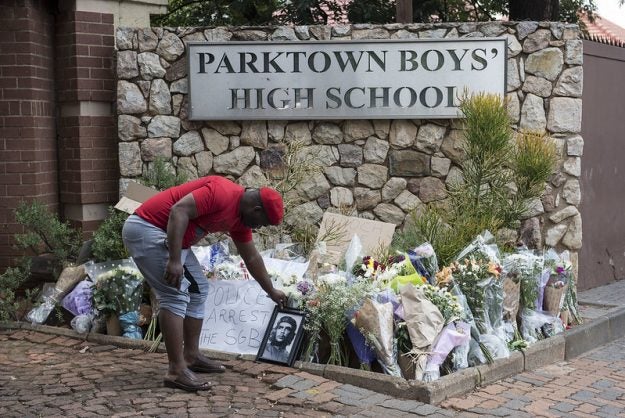
Mpianzi Drowning: MEC Lesufi Suspends Parktown Boys’ High Principal With Immediate Effect, Appoints Law Firm To Aid Probe

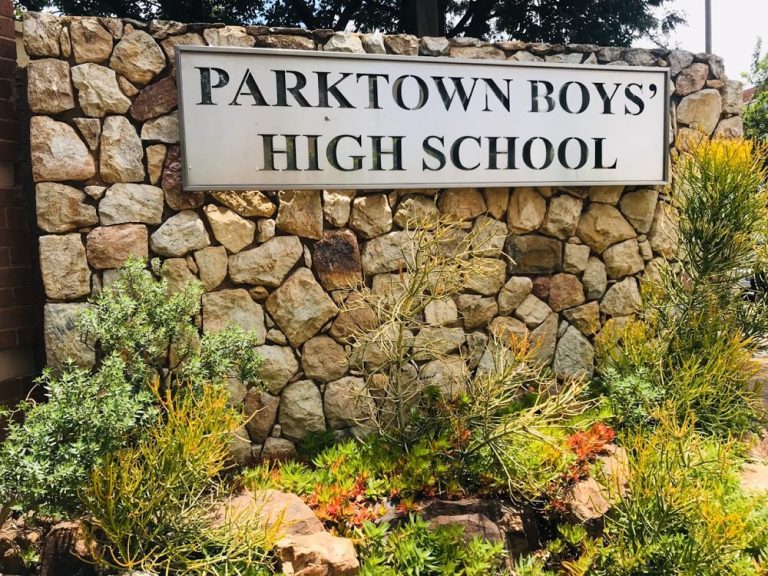
Gauteng MEC Panyaza Lesufi on Friday suspended Parktown Boys’ High principal Malcolm Williams with immediate effect, amid almost daily new revelations surrounding Enoch Mpianzi’s drowning death.

It’s been a week since Parktown Boys’ High learner Mpianzi’s body was found in the Crocodile River, with his family determined to get justice for the 13-year-old-boy.

https://insideeducation.co.za/parktown-boys-camp-death-sahrc-to-offer-legal-assistance-to-deceased-boys-family/

Mpianzi was last seen in the water when a raft made by the children capsized during an activity organised by the Nyati Bush and River Break lodge last week.

It has emerged that despite attempts by many of his fellow Parktown Boys’ High classmates to inform facilitators and teachers that Mpianzi was missing, they only started searching for the Grade 8 boy the following day.

Lesufi told a news briefing that the school camping trip had not been approved by the Gauteng Department of Education (GDE) at a district level.

The school, he said, insisted on going on the trip, with Lesufi placing the blame on Williams for allowing this.

“The school had made an application to the district to approve the trip. However, the district and the head office had not approved the trip, thus making it an unauthorised activity.”

https://insideeducation.co.za/gauteng-eff-wants-provincial-education-laws-reviewed-following-learner-drowning-deaths/

He also announced that the officials at district level who did not flag the request with the Department’s head office would also be immediately suspended.

Lesufi added that the teachers on the trip would be charged individually based on an investigation into whether they were guilty of negligent behaviour.

All water-related activities in the province must get authorisation from the education department’s head office, the Gauteng Education MEC said.

Lesufi said the GDE appointed independent law firm, Harris Nupen Molebatsi Attorneys, to help it in the matter.

Preliminary investigations are already under way.

Gauteng EFF Wants Provincial Education Laws Reviewed Following Learner Drowning Deaths

0

The EFF in Gauteng say there is an urgent need to “review all education laws to radically usher in safe, quality, violence-free and education-free schools” across the board.

The party’s call comes in the wake of a series on incidents which saw the drowning of 13-year-old learners Enoch Mpianzi and Keamohetswe Shaun Seboko last week, as well as younger fatalities at a Limpopo school Wednesday.

“We are unhappy with the Provincial Education department’s stance that their investigations take three months as standard practice. Death is not standard. Seboko’s death is suspicious,” the EFF said.

School security in Gauteng is an extremely serious problem and the Provincial Government must take charge of all matters of security by advancing progressive laws, regulation and policy to ensure practical measures – plus insourcing of all security related matters across all schools.”

It added that beyond the deaths, schools are vandalized, torched and learners, along with teachers are harassed and abused.

“Society as a whole must put an end to the massive, inhumane and unacceptable violation of children’s rights, now resulting in death, which is the ultimate price to pay for the education department failures in Gauteng,” said the EFF.

“The life of a Black child matters and as a priority it must not be compromised as it has been the norm for many years.”

The EFF demanded that the SAPS inquest into Seboko’s death considers murder as the first charge. They must pursue a thorough, swift and efficient investigation which must result in arrests.

https://insideeducation.co.za/gunmen-posing-as-parents-shoot-teacher-at-durban-school-as-harrowing-start-to-new-school-year-continues/

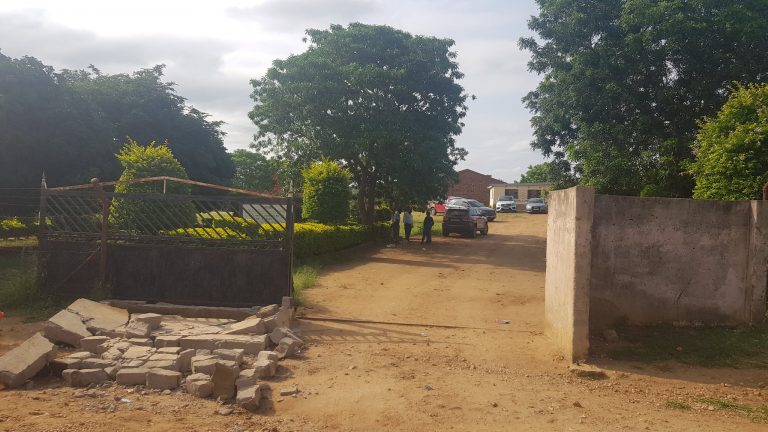
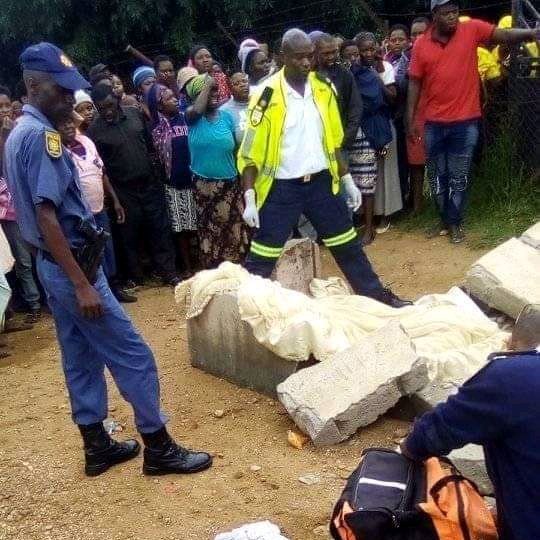
In Limpopo, seven-year-old Sello Fortunate Mohale and five-year-old Rethabile Nakana were killed when a truck delivering food to Lekgolo Primary School crashed into a wall which then collapsed on the two pupils Wednesday.

While in KZN, gunmen posing as parents opened fire Wednesday at the Buhlebethu Primary School in Inanda township wounding a teacher.  

And two learners at the Old Mill Secondary School in the King Cetshwayo District stabbed each other on the school premises Thursday.

Gunmen Posing As Parents Shoot Teacher At Durban School As Harrowing Start To New School Year Continues

Barely two weeks into the new school year, and South Africa’s education sector continues to make headlines for all the wrong reasons.

In the latest incident, gunmen posing as parents opened fire Wednesday at the Buhlebethu Primary School in Inanda township, KwaZulu-Natal (KZN) wounding a teacher. 

“The suspects suddenly opened fire, shot at, and injured an educator who was immediately taken to hospital for medical attention,” the KZN Education Department said in a statement. 

A case of attempted murder has been opened, Department of Basic Education spokesperson Elijah Mhlanga said on Facebook.

The KZN school shooting comes a litany of episodes reverberated across the country.

Also in KZN, two learners at the Old Mill Secondary School in the King Cetshwayo District stabbed each other on the school premises.

“One learner was rushed to hospital, however there was no fatality,” Mhlanga said. 

In addition, a teacher at Kangikho Primary School collapsed in front of the learners and died.

Enoch Mpianzi,

On January 15, 13-year-old Parktown Boys’ High pupil Enoch Mpianzi drowned at an orientation camp in Brits when a makeshift raft he was on capsized on the Crocodile River. 


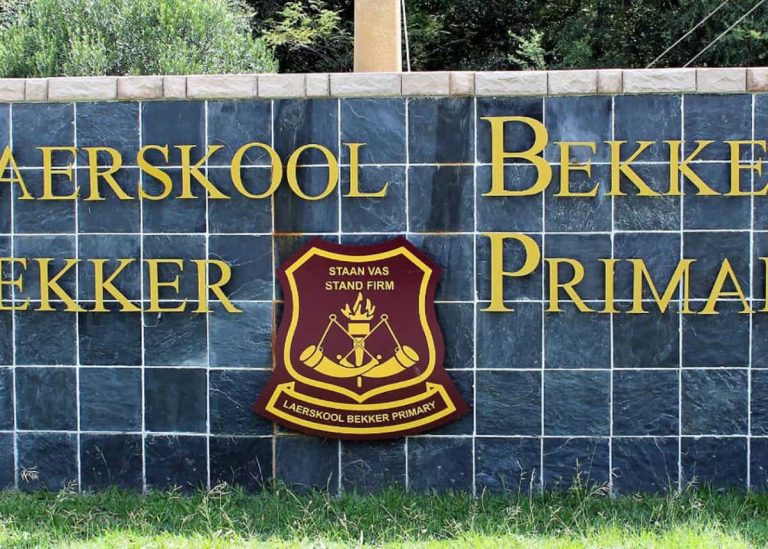
A 13-year-old Grade 7 learner, Keamogetswe Shaun Seboko, also drowned in a pool at Laerskool Bekker in Gauteng last week.

On Wednesday, seven-year-old Sello Fortunate Mohale and five-year-old Rethabile Nakana were killed when a truck delivering food to Lekgolo Primary School crashed into a wall which then collapsed on two pupils. 

https://insideeducation.co.za/2-learners-dead-2-seriously-injured-in-limpopo-school-collapse/

And investigations are continuing to determine the cause of a fire at the Khutlo Tharo secondary school in Sebokeng in the Vaal, a day before the new school year got underway.

2 Learners Dead, 2 Seriously Injured In Limpopo School Collapse

The Limpopo Education Department has confirmed that two pupils died, and two rushed to hospital in critical condition after a wall collapsed on them at the Lekgolo Primary School in Sekgosese.

Officials said a truck delivering food items at the school crashed into the wall.

Education MEC Polly Boshielo is at the school.

It’s been reported that the deceased learners, as well the injured, are from the same family.

The Department has dispatched its psycho-social unit to the school.

Job Post: Advertising Sales Executive Needed

0

Are you an ambitious Sales Executive? Inside Education has an exciting opportunity for an Advertising Sales Executive. The successful candidate needs to be a “hunter”, someone who thrives on the challenge of finding and securing new clients and uncovering new business opportunities.

Hunters are responsible for finding and securing new business and doing their own prospecting and cold calling. They excel at generating and qualifying leads, have high energy levels and endurance. They are also ambitious and revenue-driven.

You are invited to apply if you:

  • Have a passion for sales!
  • Are willing to sharpen your skills for success
  • Have self-confidence and an adventurous, can-do attitude
  • Can bring in new business and retain existing business
  • Are able to plan and execute a sales strategy
  • Have your own car and a valid driving licence
  • Matric essential; tertiary business or marketing related qualification an advantage.

Advantageous:

  • Proven track record in sales
  • Media sales experience
  • Experience in business-to-business advertising sales
  • Experience using a CRM
  • Digitally savvy

To be included in your application: A paragraph outlining why you “get”, want and are capable of performing in the role.

Remuneration: R12 000 plus 15% Commission

Company Description

Inside Education is Africa’s first digital platform, devoted to education and all education related matters throughout the continent. Inside Education covers the entire education process from Early Childhood Development to Lifelong Learning.

Potential candidates should email their CVs to info@insideeducation.co.za

They Just Don’t Follow Directions! Getting Learners To Follow Instructions

A common refrain from teachers who bemoan the fact that children struggle to follow simple instructions, even moments after they’ve been given. 

Rather spend a few extra minutes going over directions than wasting tons of precious time trying to unravel chaos!

Here are I’ve got 5 strategies that will, hopefully, end all this frustration and get your class back on track!

How to Get Students to Follow Directions the First Time

1. When I Say “Go”

Every single time you give directions, insert the magic phrase: “When I say ‘Go.’”  Every. Single. Time.  

When you’re giving a series of directions to children, they often hear just one part (usually the part that sounds most interesting) and forget the rest. As teachers are talking through the steps, they’re thinking about that one part and wanting to get started right away!

When kids are excited about what they’re going to do (or choosing their spot or finding their partner, etc.), they’ve switched into ACTION mode when we still want them in LISTENING mode.

Help students stay in listening mode longer by including the phrase “When I say ‘Go.’” This means that no one is moving or starting their work until I’ve said my magic word. 

In just a moment, I’ll send you off to get started on your monster story. When I say ‘Go’ I want you to grab your supplies, choose your smart spot, and get started quietly.

2. Repeat to a Partner

Having students repeat the steps to a partner is a powerful way to improve the chances of everyone knowing and following directions.

As you give directions, many students lose track of the steps even though they were listening. Before moving into ACTION mode, have students turn to a partner and explain what they are about to do.

In just a moment, we’ll get started. But let’s see who remembers what we’re going to do. Turn to your partner and tell them the five steps.

If you notice any student/s who aren’t sure of the directions, ask for a volunteer who you think is confident enough to share the steps with the entire class. Then have everyone turn back to their partner and try again.

3. Post the Steps

I have discovered that one powerful way to help students understand and follow directions is to post simple reminders of the steps they’ll be taking.

After posting the reminder cards, jot down any additional reminders off to the side of each step. The cards simplify the steps and offer a visual reference for students, so if anyone has trouble remembering what to do, they know exactly where to look.

4. Mirror Modeling

Most teachers are already in the habit of modeling for students. You show the exact steps students will take and talk them through our actions. But, to make this even more powerful, have students copy what you are doing, acting out each part like little mimes. 

When you add in movement, students can’t just zone out! You can easily see who is paying attention and who is missing the directions. 

5. Guided Release

The idea with guided release is that you slow down the transition from listening to action and make sure that everyone knows exactly what to do.

After giving directions, ask for a few volunteers to go first and demonstrate what will happen next. For example, if you’re beginning math stations and you’d like students to walk quietly to their first spot and get started right away, choose a few students to model this for the rest of the class.

As the models begin, ask students to point out what they notice. (Cassie is walking. Jabu got started right away.)  If you think the rest of the class is ready, then send them all off, or send another small group to continue modeling.

With this strategy, it’s easy to get the entire class started on their next activity without a single off-task student or missed step.

A Class That Follows Directions

The strategies above can be stacked and combined in various ways to ensure that everyone in your class knows exactly what to do and actually does it.

With simple changes to routines and language, you can help learners make better choices, engage in learning, and grow into their best selves.

Basic Education Minister Sends Team To Assist With Investigations Into Learners’ Deaths

Basic Education (DBE) Minister Angie Motshekga has called for investigations into the circumstances surrounding the death of the learners, Enoch Mpianzi and Keamohetswe Seboko.

Mpianzi, a Parktown Boys’ High learner, allegedly drowned during a river rafting exercise on a school orientation camp on Wednesday in Brits, North West.

Keamohetswe was found dead at Laerskool Bekker’s Hostel Swimming pool in Magaliesburg.

Motshekga said the circumstances surrounding the death of the learners must be thoroughly investigated in order to avoid similar occurrences in the future.

“We also appeal for patience and urge members of the public to refrain from speculating, as we await the outcome of the investigations into the drowning of Enoch Mpianzi and Keamohetswe Seboko. Our prayers are with the families of the deceased learners,” the Minister said Monday.

The education minister also seconded a team from the DBE’s school safety unit to help with the investigations.

“The team will also assist in ensuring that the affected families are supported in these difficult times,” she said.

https://insideeducation.co.za/parktown-boys-camp-death-sahrc-to-offer-legal-assistance-to-deceased-boys-family/

Motshekga expressed her condolences to the families and school communities of the deceased learners and that of the principal who was shot dead last week.

Motshekga also strongly condemned the torching of schools and theft of school property.

“We have full confidence that law enforcement agencies will find and bring to book, those responsible for damages to school infrastructure.

We urge communities to take back control of schools by safeguarding educational facilities and reporting any suspicious activity at the nearest police station.”

Parktown Boys’ Camp Death: SAHRC To Offer Legal Assistance To Deceased Boy’s Family

The SA Human Rights Commission (SAHRC) has offered legal assistance to the family of the 13-year-old Parktown Boys’ High School learner who drowned at a Grade 8 orientation camp in the North West last week. 

Enoch Mpianzi went missing at the Nyati Bush and Riverbreak Lodge last Wednesday. His body was found on Friday.

Mpianzi was last seen when a makeshift raft which he and other boys were using overturned on the first day of camp on the Crocodile River.

In another incident, Keamohetswe Shaun Seboko of the Magaliesburg’s Laerskool in Johannesburg drowned in the school’s swimming pool on Wednesday, 13 January 2020.

The SAHRC’s Buang Jones said the Commission stepped in after the Mpianzi family indicated that it would like the Chapter 9 body to help. 

The SAHRC is to meet with the family Monday.

“The meeting is to give them an opportunity to ventilate their concerns and give them an opportunity to explore the remedies they are seeking. But we stand ready to provide legal support to the family,” Jones said. 

Parktown Boys’ High School and the lodge have come under fire after the incident and has been widely criticised for the way it handled the case.

The criticisms relate to questions about why it took the school several hours to report the disappearance of the boy – both to his parents and to other parents whose children were on the camp.

Questions have also been raised about whether the boys were wearing life jackets at the time they took part in the “water activity.” 

Parliament’s Select Committee on Education said it was “devastated” by the high number of the recent incidents of tragic deaths of learners around the country.
 

Lesufi Says Parktown Boys’ High Learner’s Death Will Be Investigated After Orientation Camp Tragedy

Tributes are pouring in for a missing 13-year-old Grade 8 pupil whose death was confirmed Friday following an orientation camp outing that went horribly wrong.

Shocked and teary-eyed parents and pupils at Parktown Boys’ High School in Johannesburg were seen walking out of the school gates, as Gauteng Education MEC Panyaza Lesufi informed that Enoch Mpianzi’s body had been found.

The Gauteng Education MEC said the boy’s death will be investigated.

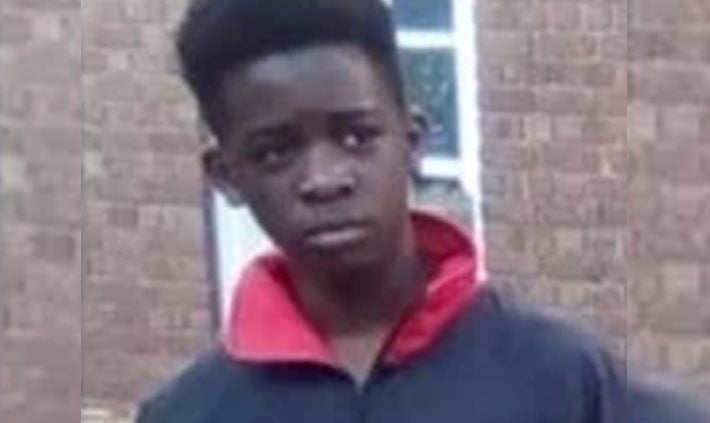
Enock Mpianzi. (Supplied)

“I am here with the parents and the leadership of the school. We hoped and wished [that he would be found alive], but police retrieved the body. It was difficult to brief the family,” a visibly upset Lesufi said.

Danie van der Merwe, marketing manager at Nyati Bush and Riverbreak, where the camp took place, referred all media queries to the education department, News24 reported.

The Teddy Bear Foundation, who was called in by the Department, was at the school to offer support.