Home Blog Page 447

Make Education More Equitable & Inclusive, Says UN Launching International Youth Day 2019

Riyaz Patel

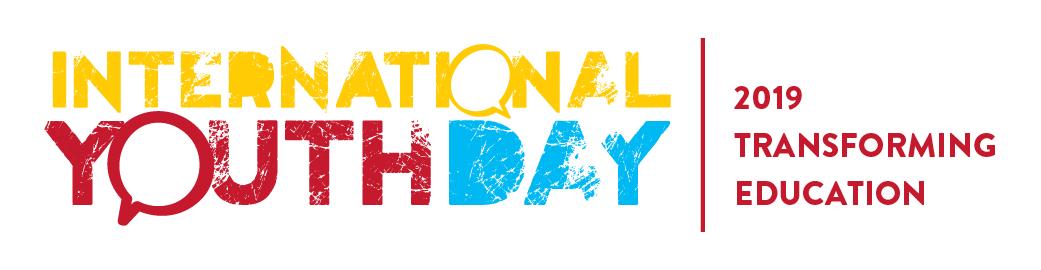
More than half of all the world’s children and adolescents aged 6-14 lack basic reading and maths skills, the UN said as it launched International Youth Day 2019 under the theme, “Transforming Education.”

The theme highlights efforts to make education more inclusive and accessible for all youth, including efforts by youth themselves.
“There are currently 1.8 billion young people between the ages of 10 and 24 in the world. This is the largest youth population ever. However, more than half of all children and adolescents aged 6-14 lack basic reading and maths skills, despite the fact that the majority of them are attending school, the UN said.

This global learning crisis threatens to severely hamper progress towards the Sustainable Development Goals (SDG), the UN warned.

2019 Theme: “Transforming education”

Rooted in Goal 4 of the 2030 Agenda for Sustainable Development – to “ensure inclusive and equitable quality education and promote lifelong learning opportunities for all” – International Youth Day 2019 will examine how Governments, young people and youth-led and youth-focused organizations, as well as other stakeholders, are transforming education so that it becomes a powerful tool to achieve the 2030 Agenda for Sustainable Development.

The UN says further that inclusive and accessible education is crucial to achieving sustainable development, and can play a role in the prevention of conflict.

Education is a ‘development multiplier’ as it plays a pivotal role in accelerating progress across all 17 Sustainable Development Goals, be it poverty eradication, good health, gender equality, decent work and growth, reduced inequalities, action on climate or peaceful societies.

Education should lead to relevant and effective learning outcomes, with the content of school curricula being fit for purpose, not only for the 4th industrial revolution and the future of work, but also for the opportunities – and challenges – that rapidly changing social contexts bring.

Learners at Benoni Junior School on Mandela Day

The crucial role that quality education plays in youth development is well recognized as well as benefiting society-at-large.

However, what is less known is the fact that young people themselves are active champions of inclusive and accessible education. 

https://www.un.org/sustainabledevelopment/wp-content/uploads/2017/02/4.pdf

Youth-led organizations, as well as individual youth, together with various stakeholders and Governments, are concretely transforming education so that it becomes a fundamental tool both for sustainable development and for the full inclusion of various social groups.

Youth-led organizations are transforming education via lobbying and advocacy, partnerships with educational institutions and the development of complementary training programs.

August 12 was first designated International Youth Day by the UN General Assembly in 1999, and serves as an annual celebration of the role of young women and men as essential partners in change, and an opportunity to raise awareness of challenges and problems facing the world’s youth.
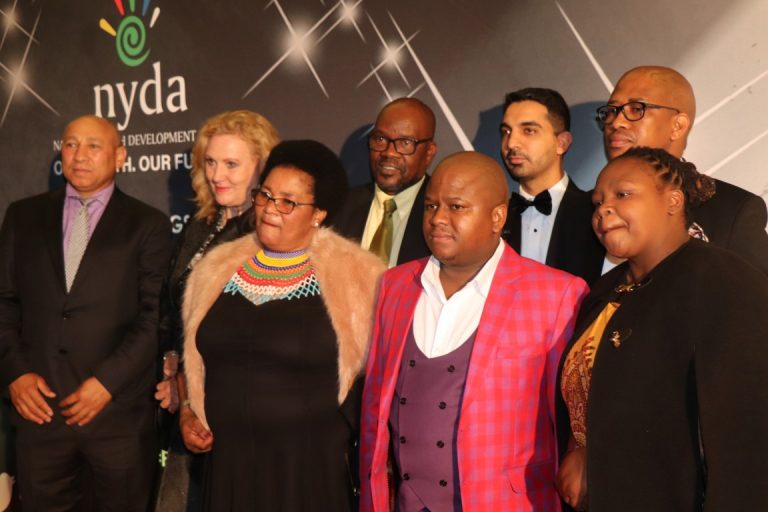
NYDA Records 5th Consecutive Clean Audit

The National Youth Development Agency (NYDA) has chalked up its fifth consecutive clean audit as pronounced by Auditor General Kimi Makwetu.

The Agency also recorded a zero rating on unauthorised and wasteful expenditure along with meeting 100 percent of its annual performance targets.

NYDA Executive Chairman Sifiso Mtsweni said the “milestone”was down to a “high-performance culture within the agency,” backed by a board committed to “utilizing resources to improve the lives of South Africa’s young people.”

Mtsweni added that amidst a challenging economic climate, the NYDA managed to pay service providers within 30 days.

NYDA CEO, Wassim Carrim said the agency had spent its entire budget allocation, with 70 percent going to products and services, and not a cent in unauthorized or wasteful expenditure.

The NYDA said 1103 youth-owned enterprises were supported through its Grant Programme.

The NYDA reiterated its call for a collective effort from all sectors of society to give meaning to its goals of placing 1 million young people in jobs and funding and supporting 100 000 youth entrepreneurs.

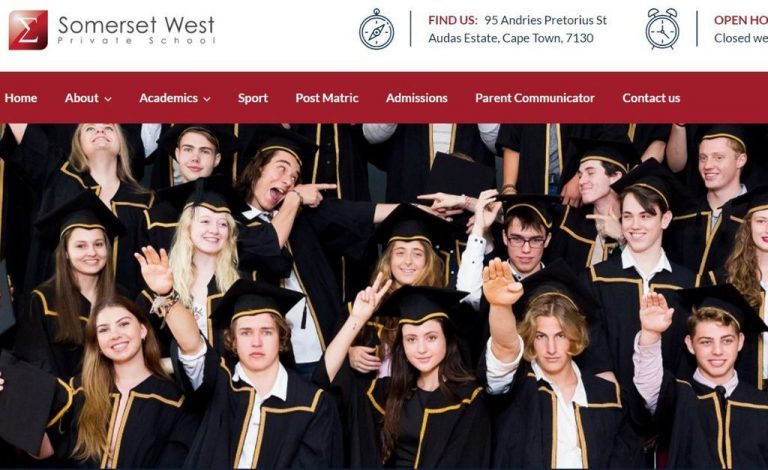
Nazi Salute Image At Somerset West Private School Ignites Outrage

An image on the homepage of Somerset West Private School, which shows three pupils doing the “Nazi salute,” has unleashed a Twitter storm of outrage.

The principal of the school has tried to downplay the issue, denying it’s a Nazi salute, instead, inferring that it is a “Roman salute.” 

The image was of the 2018 matric class and has been replaced by a similar class photo with more formal poses.

But social media users were not buying the principal’s line.

Principal Morné Coetzer said: We do not promote or support any particular political or religious views. Learners are encouraged to develop as individuals, think freely and to express themselves freely, provided that such expression does not impair the dignity of others.”

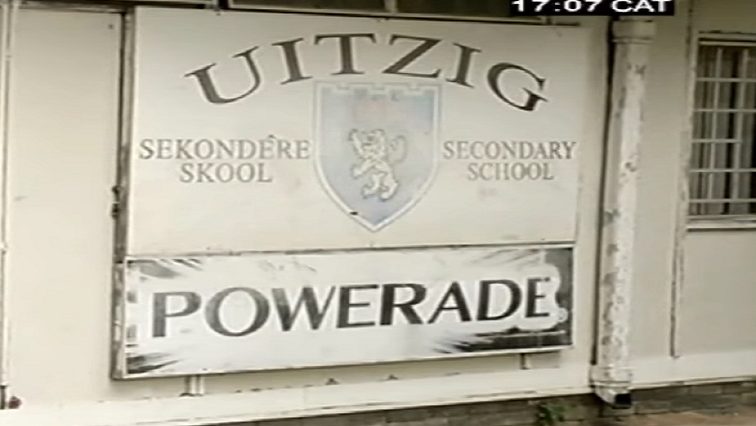
ConCourt Upholds Decision To Shut Uitzig High School In WC

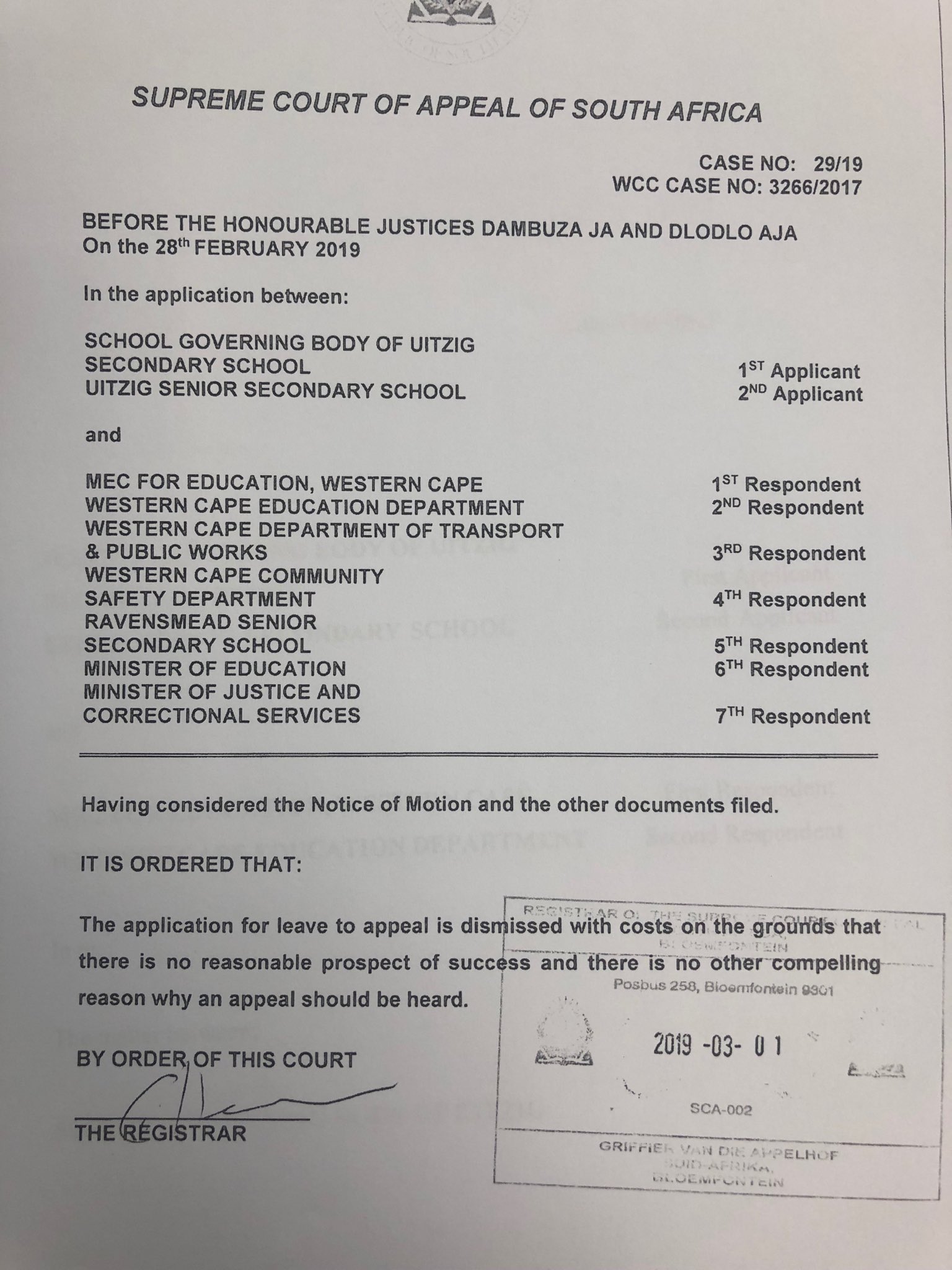
The Constitutional Court has dismissed an appeal by Uitzig High School against Western Cape Education MEC Debbie Schäfer’s decision to shut it down.

There are fears that the drop-out rate in Uitzig could increase following the Constitutional Court ruling to close the only high school in the area.

Both the High Court and the Supreme Court of Appeal ruled in favour of the Western Cape Education Department (WCED).

In 2017, the department announced its closure, citing dwindling numbers, a low pass rate and major vandalism as reasons.

The WCED added it was too expensive to refurbish the run-down school building.

The school’s governing body called on the provincial education department to upgrade the school rather than shut it down.

In January, pupils and parents forced their way onto the premises, demanding the return of their teachers and the resumption of academic activities.

Uitzig Secondary School’s SBG member, Sharon Koeberg says that the school is in their hearts: “This school has stood the test of time. I am in my 50’s now and this school has opened up many opportunities for many learners. It’s part of our history. So many memories have been made here.”

The area has three primary schools.

Former Cosatu Western Cape secretary Tony Ehrenreich said this decision was unfortunate.

In Uitsig we have three primary schools, there’s one high school and now that high school’s gone. The learners are going to have to move to a neighbouring high school which will raise the level of overcrowding and the drop-out level in Uitsig will now increase because of the gang problem in the community, so children can’t move from area to the next.”

Irate Parents Shut Down 3 ‘Unsafe’ Schools In Limpopo

Angry parents in Limpopo have shut down a dilapidated school in GaRatjeke village in Bolobedu.

The parents are accusing the education department of failing to respond to their demands to build a new school and move their children from the unsafe conditions at Ratjeke Primary School.

Residents also shut down Maekgwe Primary and Rama Secondary schools in the area.

They say their complaints dates back to 2003.

Local chief Thomas Selowa said the cracked and dilapidated Ratjeke Primary School was built by the community from mud bricks in 1977.

“We can’t keep repairing two blocks on our own. The roof is leaking and walls are cracked, there is no clean water in the school.

“We wrote to the department several times. We told them that we have found a site where the school should be build,” Selowa said.

Chief Selowa said parents have resolved to continue with the school shut down until the government commits in writing that a new school would be constructed.

Speaking at a gathering where parents met with officials from Limpopo department of education, Robert Kapa said they had closed the school because it was just a matter of time before it kill learners, The Sowetan reported.

“The department wanted to bring mobile classes and we rejected them because we know they will never build a school,” Kapa said.

The education department’s head of infrastructure, Rapule Matsane, said the department will provide feedback next week.

School governing body member Mavis Seshoka said they were tired of being told lies.

“For many years I have been attending endless meetings with various stakeholders and it’s promise after promise,” Seshoka said.

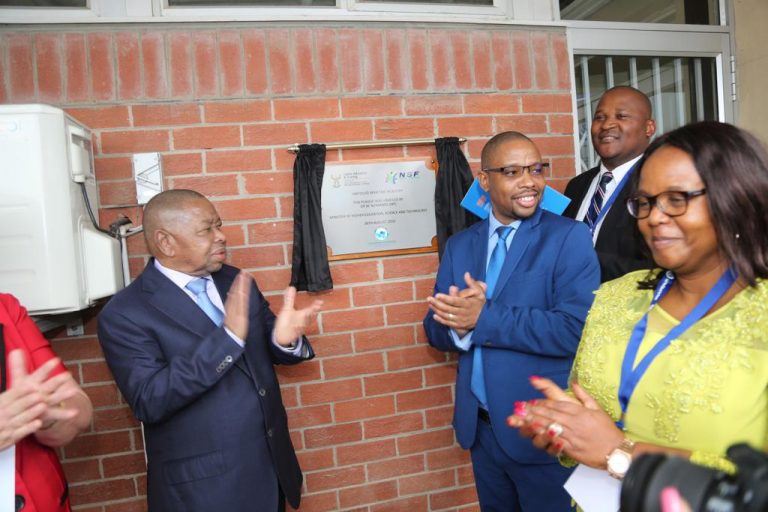
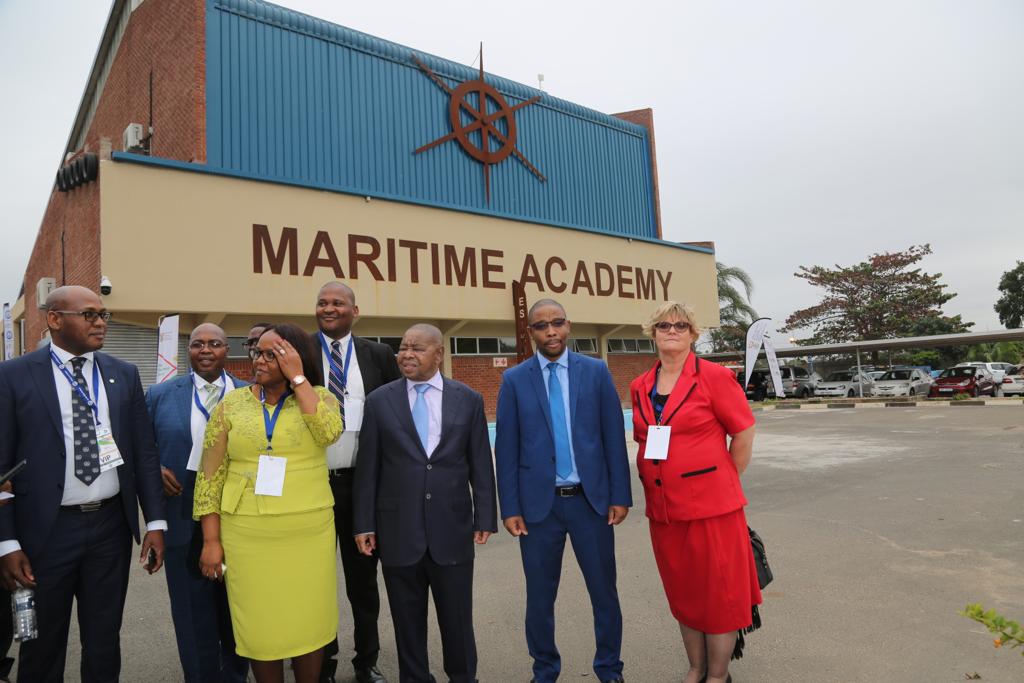
Maritime Academy Launched At uMfolozi TVET College

Higher Education Minister Blade Nzimande has launched the Maritime Academy at the Esikhawini Campus of uMfolozi TVET College.

The academy will primarily target local unemployed youth with an interest in maritime studies and the oceans economy.

The programme – 20 short courses, 14 certificate programmes and 18 diploma programmes – will be accredited by the South African Maritime Safety Authority.

The renovated facility, refurbished classrooms, learning material, training equipment and capacity building was enabled by funding from the National Skills Fund and Transport Education Training Authority.

Sweden and Norway have also donated equipment.

The first group of 67 students commenced training in April, with up to 240 students to be enrolled in the coming semesters.

The Fourth Industrial Revolution Risks Leaving Women Behind

Rachel Adams, Human Sciences Research Council

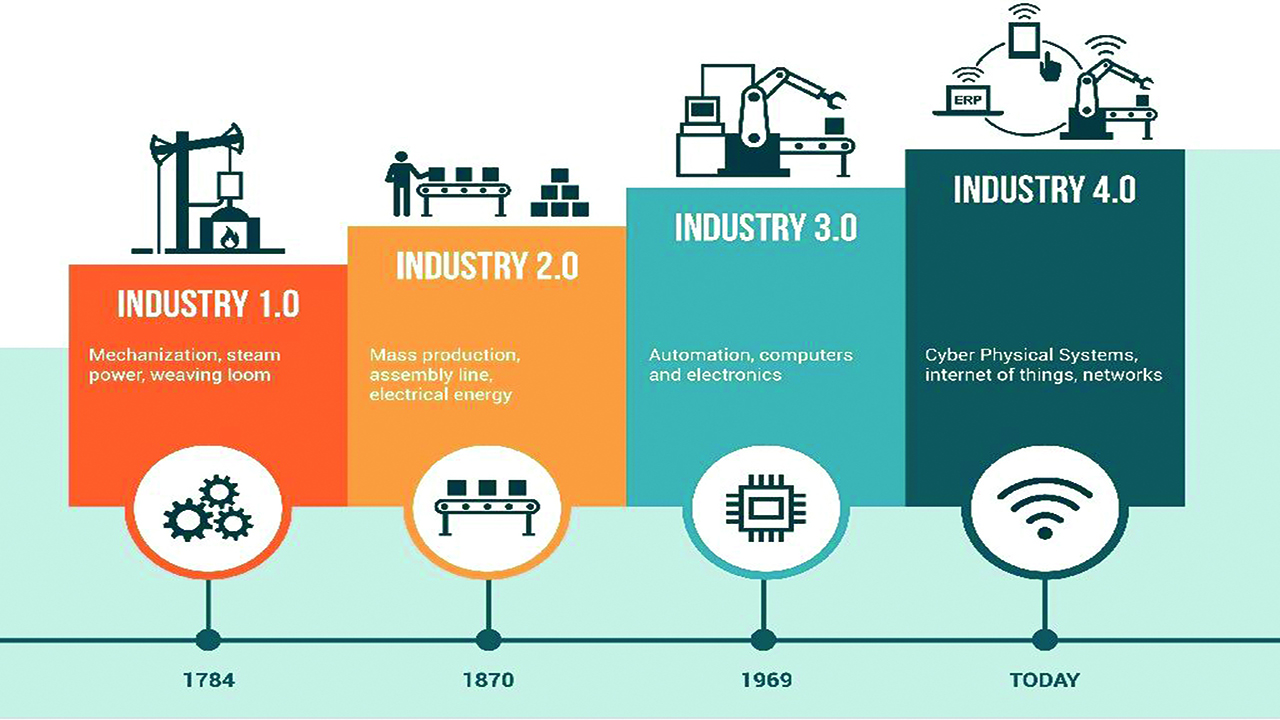
The Fourth Industrial Revolution is, ostensibly, upon us. The term was coined in 2016 by Klaus Schwab, the founder and executive chairman of the World Economic Form.

Broadly, it refers to the collapsing of boundaries between the physical, digital and biological spheres. More specifically, it’s about the digitalisation of all kinds of systems and processes.

Artificial Intelligence (AI) is at the forefront of this reality. This involves systems that, as the European Commission puts it, “display intelligent behaviour by analysing their environment and taking actions … to achieve specific goals.”

AI is used today in everything from face and speech recognition technologies to image analysis software. It’s also a cornerstone of self-driving cars and advanced robotics.

Image result for fourth industrial revolution

Part of this “revolution’s” promise is that AI and similar technologies will be used to drive economic growth, development and positive societal change. But critical inquiry is urgently needed to gauge what effects the fourth industrial revolution is having and will have on vulnerable, marginalised populations.

In South Africa, there has been some discussion around the elitist discourse in which conversations about the fourth industrial revolution are happening.

Some have pointed out the need to ensure that policy linked to these changes address all stakeholders’ needs. Others have explored its potential effects on inequality in the country’s job market. But there has been little discussion around how women specifically may be affected.

Image result for fourth industrial revolution WOMEN

This is a worrying oversight. The world of the fourth industrial revolution looks set to be one dominated by forms of knowledge and industries – like science and technology – that have long been dominated by men.

In addition, many of the opportunities the fourth industrial revolution is thought to offer are internet based. Yet, as a recent study has shown, women tend to have less access to internet based technologies than men do in Africa. This means that the impact on women’s lives and work opportunities becomes a critical concern.

The future of women’s work

The future of work has been one of the key discussion points in the context of new technologies and the fourth industrial revolution.

With the increase in automaton, those working in “routine intensive occupations” – such as secretarial or call centre work – are considered likely to be replaced in the workplace by computers, which are thought to be more efficient and less costly. Robots are being prepped to replace care-worker jobs. These types of professions, along with others that are particularly vulnerable to being replaced by robotics or computers, are generally occupied by women.

In South Africa, where the labour market is already more favourable to men than women, this presents a serious concern.

https://www.insideeducation.org/featured/african-education-systems-not-aligned-to-needs-of-economies-ramaphosa/

There are other reasons to worry. The gender digital gap in South Africa, and on the African continent more broadly, is only widening, with women having lower digital literacy, less access to internet based technologies, and less relevant online content to men. This suggests that women may be left out of increasingly digital work opportunities too.

In addition, due to the burden of care and domestic duties women tend to carry on top of paid work, women have significantly less time than men to undertake further education and training. That means they won’t easily be able to boost their digital skills.

These realities reveal some of the gaps in South Africa’s existing policy objectives around the fourth industrial revolution. For instance, the country’s White Paper on Science, Technology and Innovation is to provide information and communications technology training at all levels. But given the problems I’ve outlined, women are less likely than men to benefit from this.

So what can the country do differently?

Lessons and research

Image result for Ghana,  STEMbees

For starters, it could learn from other countries. In Ghana, an initiative called STEMbees not only promotes science, technology, engineering and maths training for women and girls; it also addresses social issues such as digital safety. There could be lessons here for South Africa.

The country should also consider how technology can be used to empower and help women rather than shutting them out. There are many examples of this globally.

Along with this learning, South Africa needs to thoroughly research and understand the effects of the fourth industrial revolution on women and the barriers – whether educational, social or technological – to accessing and utilising internet based resources.

Policy responses to promoting women in STEM need to holistically address both the lack of women in STEM fields as well as the structural factors that have led to this situation.

Rachel Adams, Research Specialist, Human Sciences Research Council

This article is republished from The Conversation under a Creative Commons license. Read the original article.

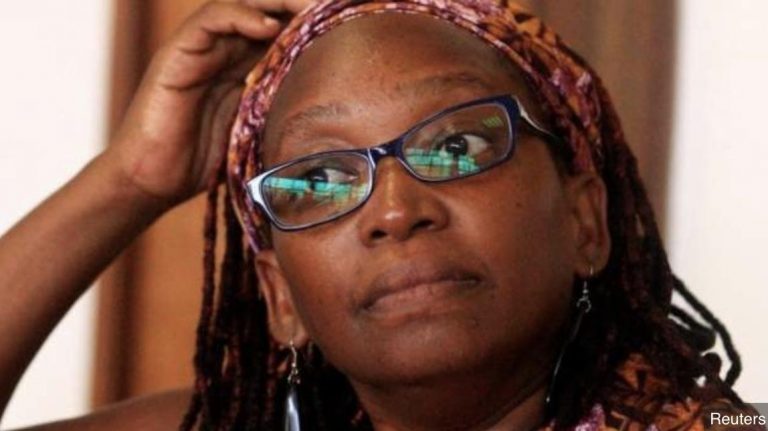
18-Month Jail Term For Ugandan Academic Who Insulted President On Facebook

A prominent Ugandan academic has been jailed for 18 months on charges stemming from a Facebook post that included sexually explicit criticism of long-ruling President Yoweri Museveni.

The verdict drew the ire of rights activists who accused the government of using laws about electronic communications to stifle political dissent.

Stella Nyanzi, a university lecturer and researcher who once called Museveni “a pair of buttocks,” has drawn the government’s wrath for her attacks on the president who has been in power for 33 years.

Her commentary, laced with profanity, is posted on her Facebook page and often shared widely by her followers.

She attended her sentencing session in a court in the center of the capital Kampala via video link from a maximum security prison on the shores of Lake Victoria.

The presiding judge was hit a plastic bottle after announcing the sentence.

Nyanzi, who’s been in jail since November 2018, shouted vulgarities and flashed her breasts and a double middle finger on several occasions during the session.

Her offence stemmed from a Facebook post last year in which she said she wished Museveni, 74, had been burned up by the “acidic pus” in his mother’s birth canal.

“My presence in your Court as a suspect and prisoner highlights multiple facets of dictatorship. I exposed the entrenchment of autocracy,” she wrote in her most recent post, a poem about her court case. “I refuse to be a mere spectator in the struggle to oust the worst dictator.”

Joan Nyanyuki, director for East Africa at human rights pressure group Amnesty International, said: “This verdict is outrageous and flies in the face of Uganda’s obligations to uphold the right to freedom of expression … and demonstrates the depths of the government’s intolerance of criticism.”

The verdict should be quashed and Nyanzi, who has been in jail since November last year, freed immediately, Amnesty said.

“The Ugandan authorities must scrap the Computer Misuse Act… which has been used systematically to harass, intimidate and stifle government critics,” Nyanyuki said.

Critics say Museveni, in power since 1986, is increasingly becoming intolerant of dissent as resistance to his rule grows.

Nyanzi’s lawyer, Isaac Ssemakkadde, said she had yet to decide on whether to appeal her conviction.

Ekurhuleni City Manager Leads Women’s Month Activities

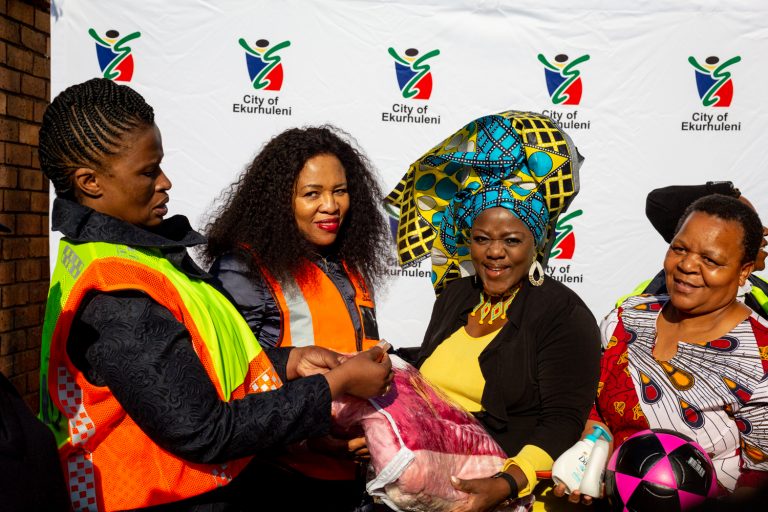
Ekurhuleni City Manager, Dr Imogen Mashazi, kicked off the city’s Women’s Month commemoration by joining EMPD women officers at a roadblock in Tembisa.

Dr Mashazi said the move demonstrates the City’s support for women officers and to also to get first hand experience of what it’s like serving on the ground.

Mashazi then called on the Siyaziqabisa Home of Hope in Tembisa where she donated mattresses and other essentials.

The founder of Siyaziqabisa Home of Hope, Gabisile Khoza, said her centre is humbled that the City of Ekurhuleni chose her organization to launch Women’s Month.

Later, at a gala award evening, Mashazi paid tribute to the work of women in uniform in the EMPD and Disaster Management Services.

“You are equally capable as your male counterparts.”

EKURHULENI CITY MANAGER Imogen Mashazi

“There is nothing more rewarding than being recognised by your employer for your hard work and dedication,” said Busisiwe Buthelezi.

Mashazi said while these awards celebrate the role of women in professions traditionally reserved for men, it also serves to breakdown the stereotypes that these roles are suited only to men.

#WomensMonth in South Africa pays tribute to the more than 20 000 women who marched on to the Union Buildings on 9 August 1956 to protest against the extension of Pass Laws to women.

Image result for womens 1956

R49BN Budget For Gauteng Education Department

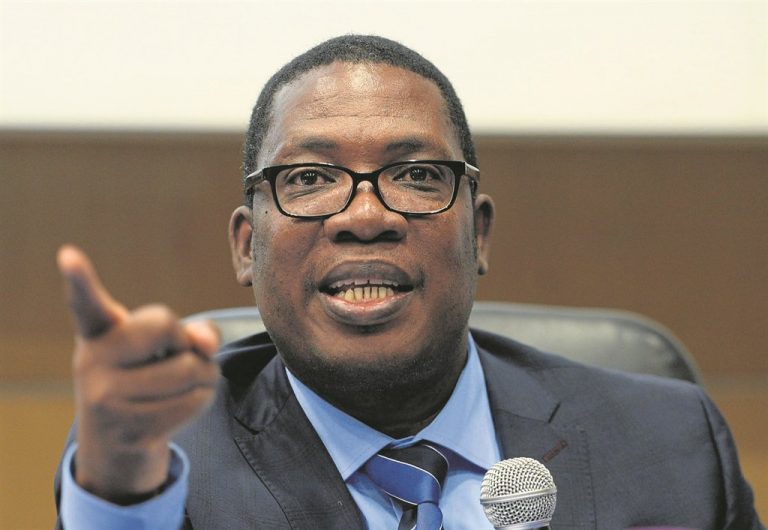
Gauteng Education MEC Panyaza Lesufi has presented a R49.2 billion 2019/2020 budget; with teacher and departmental staff salaries devouring about three-quarters of the money.

While 75% of the budget going to paying employees, the public schooling sector also received a huge chunk.

The Gauteng Education Department (GDE) received received a boost of about R4.5 billion more compared to the past financial year.

https://twitter.com/EducationGP/status/1156496905150578688?s=20

Some R78 million has been allocated for transfers and subsidies to Schools of Specialization, with plans to expand access to special schools and improve quality of programmes for Learners with Special Needs (LSEN).

Mathematics, Science & Technology Grant for Technical Secondary Schools & Schools of Specialization gets R56 million, with plans to expand access to special schools and enhance the quality of programmes for Learners with Special Needs (LSEN).

The total budget allocation in the 2019/20 to achieve Strategic Goal 2 – R1,07 billion.

About R46,6 million will be spent on LITNUM (Foundation Phase), Language and Mathematics interventions across Grades 4-12, with R167,8 million dedicated to the Secondary School Improvement Programme.

Lesufi said his budget would also prioritise infrastructure development across the province.

Lesufi said the GED’s budget has seen growth above inflation despite the tough economic conditions facing the country, adding, that he is confident that the 20 priority areas set out in the Education Roadmap will be funded this term.