
By Charmaine Ndlela
South Africa’s university entrepreneurship ecosystem has come together in Gauteng for the 2026 Entrepreneurship Development in Higher Education (EDHE) Absa Studentpreneurs Indaba, with a strong call for students to move beyond ideas and turn innovation into viable businesses, jobs and economic opportunities.
The two-day in-person national gathering, hosted at the Birchwood Hotel & OR Tambo Conference Centre in Boksburg on Thursday, brought together about 500 student entrepreneurs, academics, investors, university leaders, industry stakeholders and entrepreneurship ecosystem partners.

Hosted by Universities South Africa (USAf) through the EDHE Programme, in partnership with Absa, the ninth edition of the Studentpreneurs Indaba is being held under the theme: “Entrepreneurship in Action: From Vision to Implementation. From Policy to Impact.”
The theme reflects the growing need for South Africa’s higher education sector to equip young people not only to participate in the economy, but also to create enterprises, employment opportunities and innovative solutions to social and economic challenges.
South Africa’s 26 public universities represent a significant pool of entrepreneurial talent, research and innovation.
ALSO READ: In Pictures: Bullet, dagga and vapes found in Daveyton school raids
However, the transition from education into meaningful economic participation remains a challenge for many students and graduates.
The Indaba aims to help close this gap by connecting student founders with mentors, investors, industry leaders, academics and fellow entrepreneurs, while strengthening university ecosystems that can support businesses from conception to growth.
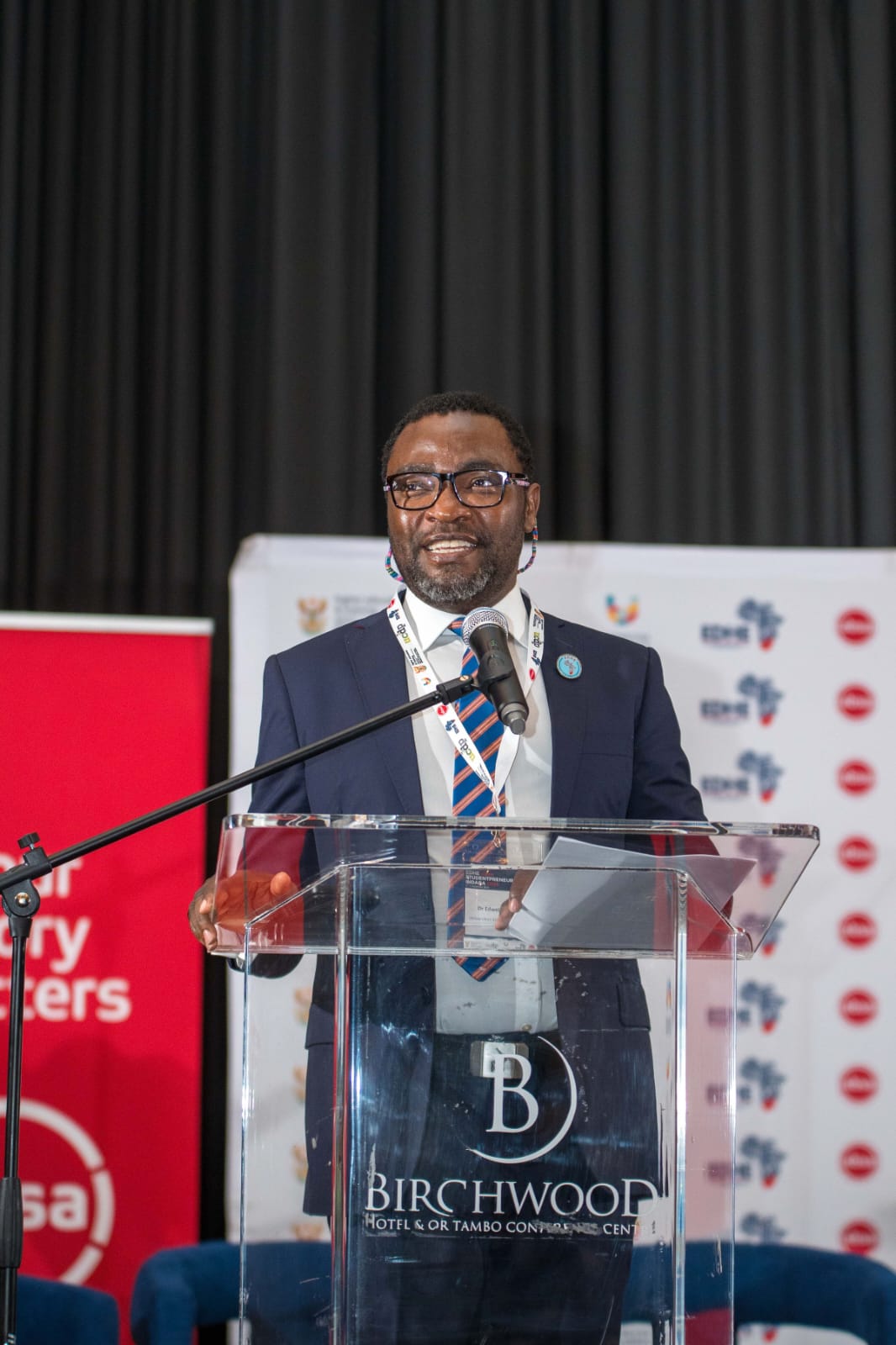
Welcoming delegates, EDHE Director Dr Edwell Gumbo said the programme was seeking to build a stronger bridge between academic learning and student entrepreneurship.
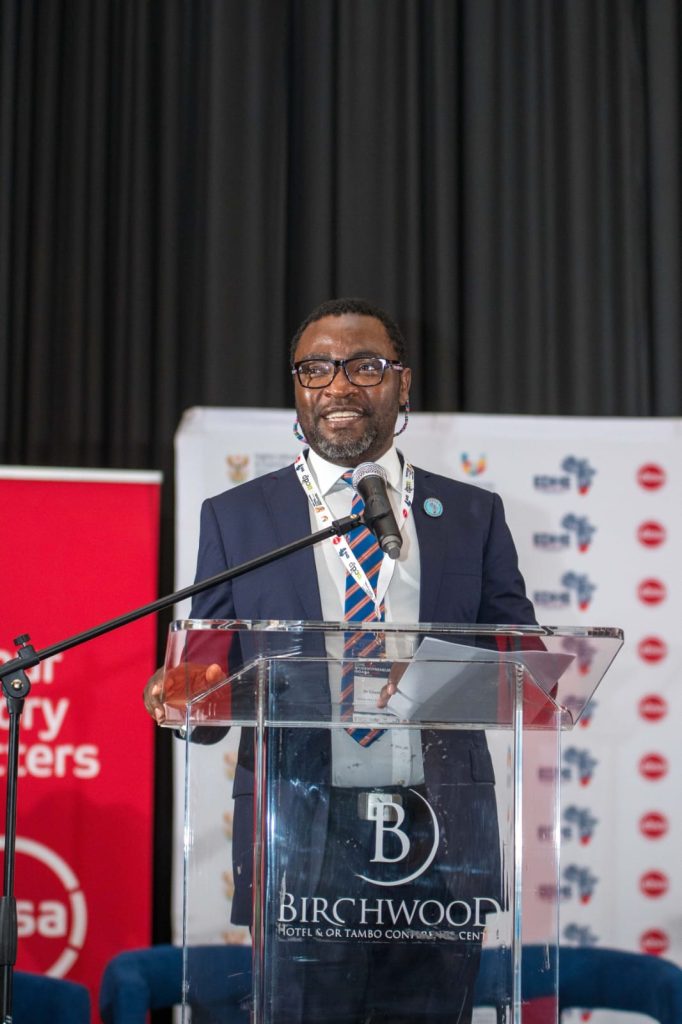
“This is the bridge we want to build between academia and student life,” Gumbo said.
He said university learning should not end with a mark on an assignment, but should have the potential to become a prototype, service,
social innovation or growing enterprise.
Gumbo emphasised that academic achievement and entrepreneurship should not be viewed as competing priorities.
He urged student entrepreneurs to complete their qualifications, saying the knowledge and discipline gained through university
studies could strengthen their entrepreneurial capabilities.
“None of you is going to drop out. We need that diploma, we need that degree. You must get it,” he said.
He added that entrepreneurship could make academic learning more practical, creative and relevant.
ALSO READ: Manamela vows to tighten controls after SIU exposes TVET college failures
“South Africa needs graduates who are prepared to enter the world of work, but it also needs graduates who can help shape that world, Gumbo said.
“We need young people who can create products, services, opportunities and employment.”
He added that businesses built by young people should understand the communities they serve and be innovative, ethical and sustainable.
From one product to an enterprise Gumbo said the significance of student entrepreneurship should not be measured only by the size of a business.
More importantly, he said, entrepreneurship enables students to see themselves not merely as people waiting for opportunities, but as people capable of creating them.
The theme of this year’s Indaba, he said, places action at the centre of the entrepreneurial journey.
“Ideas are important, but ideas must eventually leave the notebook,” Gumbo said.
He challenged participants to ensure that business plans meet real customers, prototypes are tested, policies translate into practical support and partnerships create tangible opportunities.
He said Universities must become environments where student enterprises can start, survive and grow.
The Indaba programme includes practical workshops, investment-readiness discussions, pitch sessions, exhibitions and opportunities for students to engage with established entrepreneurs, investors and industry partners.
Gumbo encouraged delegates to use the two-day event to build relationships outside their existing networks.
He also stressed that networking should go beyond collecting contact details.
“A network only becomes valuable when you build genuine relationships and follow up,” he said.
Gumbo called on delegates to support the student entrepreneurs exhibiting their products, urging participants to buy from them and ensure that exhibitors do not leave the event with unsold stock.
Delivering Absa’s partner address, Setlogane Manchidi, Managing Executive: Corporate Citizenship at Absa Group, said entrepreneurship creates possibilities that can have a wider impact on individuals, communities and the economy.
He challenged delegates to move beyond seeing entrepreneurship as an idea and instead focus on turning those possibilities into tangible economic outcomes.
“Let us move from possibility to reality that creates meaningful economic inclusion,” Manchidi said.
He highlighted the potential of entrepreneurship to generate income, create employment, promote economic inclusion, solve everyday problems and contribute to greater social mobility and dignity.
Manchidi also urged student entrepreneurs to remain resilient when confronted by the difficulties that come with building a
business.
He said entrepreneurs would inevitably encounter uncertainty, funding challenges, limited customers and business plans that do
not work as initially expected.
“These moments do not mean you have failed,” he said, encouraging young entrepreneurs to view setbacks as opportunities to learn,
adapt and continue building. He also urged students to remain close to the problems they are trying to solve, arguing that their lived experiences and proximity to everyday challenges can help them develop practical and responsive solutions.
For Manchidi, the ultimate goal is to move from “possibility imagined” to “possibility realised” through action, perseverance and the Opportunities created through partnerships between universities, businesses and other stakeholders.