
By Thapelo Molefe
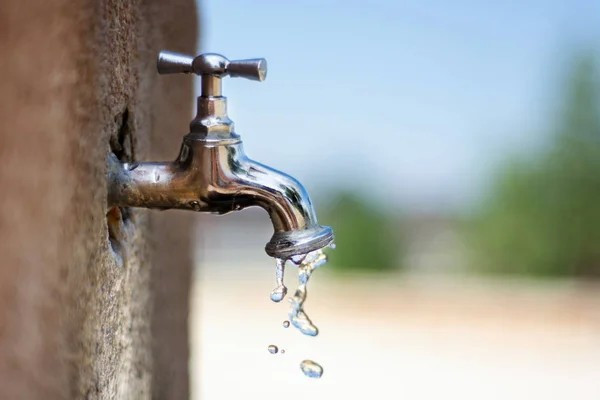
At least 20 schools across South Africa have been found to have dangerously unsafe drinking water contaminated with E. coli, according to the latest findings from the WaterCAN Schools Water Testing Project.
The results, released on Tuesday, show that nearly a third of the 72 participating schools recorded high levels of contamination, with 12 of the unsafe samples taken directly from taps used by learners.
ALSO READ: KZN Education advertises 3,002 school leadership posts
WaterCAN said the findings point to possible faecal contamination and pose a direct health risk to both learners and staff.
Several of the affected schools are located in provinces including the Eastern Cape, Free State, Cape Town, KwaZulu-Natal and Mpumalanga.
WaterCAN Citizen Science and Training Coordinator Nomsa Daele described the results as “highly concerning,” warning that the presence of E. coli in drinking water could lead to serious illness.
“The presence of E. coli in drinking water is particularly serious and requires urgent attention, as it may lead to waterborne illnesses. Ensuring safe drinking water in schools is critical to protecting the health, dignity, and wellbeing of children,” said Daele.
She added that although the tests are indicators, they serve as an early warning of contamination.
ALSO READ: KZN schools get table tennis boost from China
“We have advised the schools to exercise caution and avoid using the water for drinking purposes until the matter is resolved,” she said.
Of the 20 unsafe samples, eight were sourced from water storage tanks, highlighting infrastructure and maintenance challenges in some schools.
The testing forms part of a citizen science initiative in which schools use WaterCAN testing kits to assess their own water quality and upload results to a central database. The project ran from 16 to 27 March, with some schools continuing testing into April.
The findings come amid growing concern over South Africa’s deteriorating water and wastewater systems. WaterCAN said the results reinforce broader national reports pointing to declining water quality and failing infrastructure.
Access to clean drinking water is essential for both learning and basic hygiene, and contamination could force schools to rely on alternative water sources or suspend normal usage.
“Given the potential risk to children’s health, we urgently need a prompt response and action on this matter,” Daele said.
ALSO READ: Broken school-to-work transition leaves youth uncertain and fragmented, Presidency warns
The organisation has also called on authorities to conduct confirmatory water quality tests, identify the source of contamination and take corrective action to ensure the water is safe.
Participation in the project has grown significantly, with 2026 seeing nearly double the number of schools involved compared to the previous year. The initiative now spans all nine provinces.
Using the MapMyWater portal, schools upload their results for real-time analysis, contributing to one of the country’s largest independent datasets on water quality.
Daele said the initiative is particularly relevant as Earth Day is marked on 22 April.
“The 2026 Earth Day theme, ‘Our Power, Our Planet,’ underscores that environmental progress depends on community action, innovation and local solutions, not only national policy,” she said.
WaterCAN works with several partners, including research institutions and environmental organisations, to expand testing and awareness.