
By Lebone Rodah Mosima
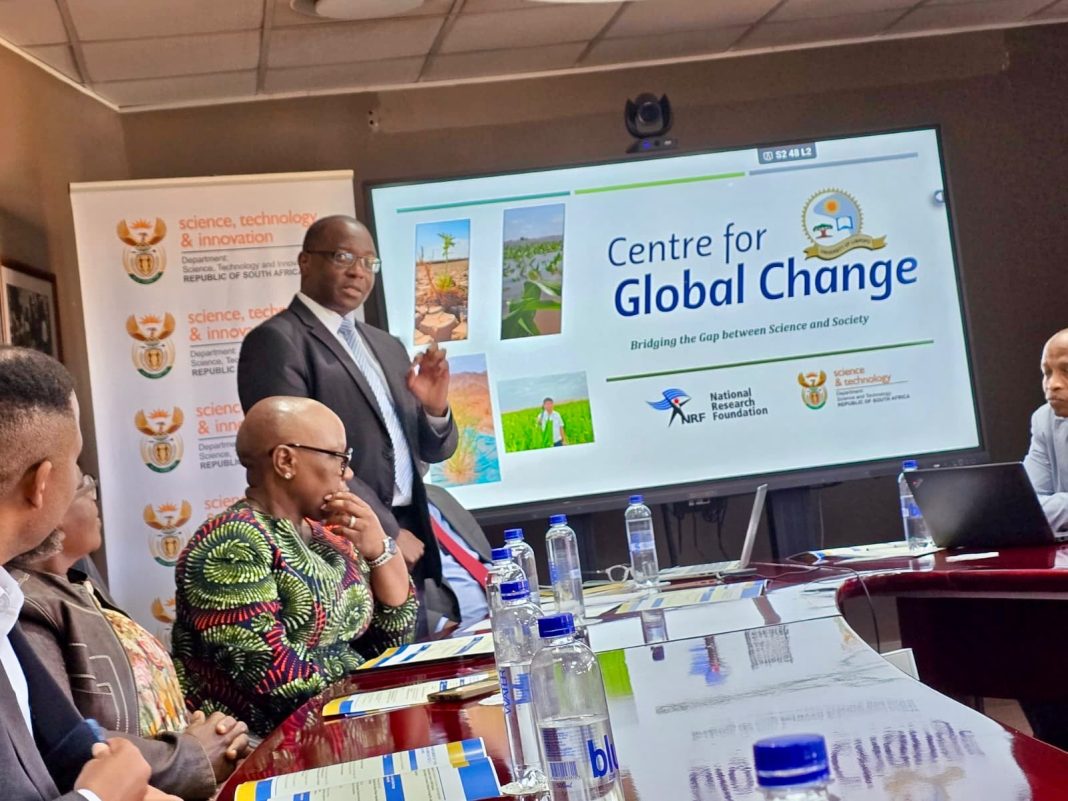
The Department of Science, Technology and Innovation (DSTI) has encouraged the University of Limpopo’s Centre for Global Change to deepen its engagement with international research networks and position itself as Africa’s leading hub for the emerging field of Exposome Science.
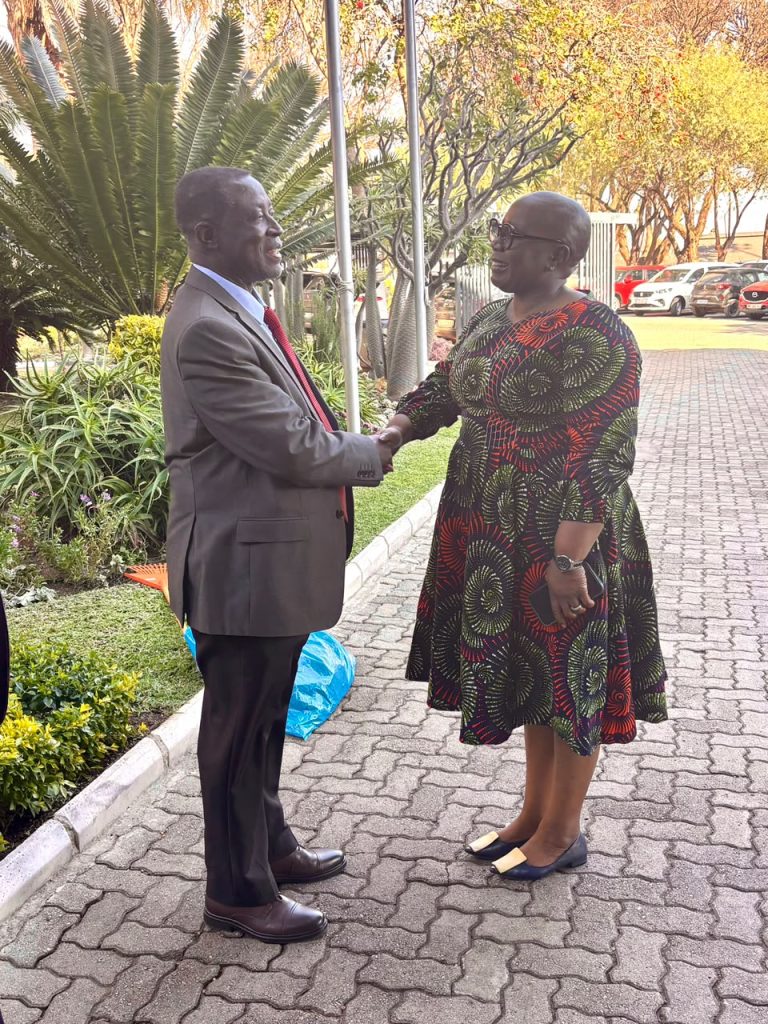
Deputy Minister Nomalungelelo Gina made the remarks during a visit to the Centre for Global Change on Tuesday, where she described the University of Limpopo as a national asset whose role extends beyond teaching to advancing social justice, transformation and development.
“For this reason, government remains committed to strengthening historically disadvantaged institutions and enhancing their capacity to serve as centres of excellence in research, innovation and human capital development,” Gina said.
ALSO READ: Ntuli urges African scholars to turn research into policy in changing global order
“These institutions are central to building an inclusive knowledge economy and ensuring that the benefits of science and innovation reach all communities.”
Gina said the visit coincided with the conclusion of National Science Month, during which the department promoted the role of science, technology and innovation in driving national development.
Referring to the department’s theme, “Putting Science, Technology and Innovation at the Centre of Government, Industry, Education and Society,” she said scientific research is critical to addressing challenges such as climate change, food insecurity, water scarcity and environmental degradation.
“These are precisely the issues that the Centre for Global Change seeks to address through its research and capacity-building programmes,” she said.
“Its work in climate resilience, adaptation, food systems, water security, soil science and sustainable agriculture is not only academically relevant but essential to South Africa’s future development.”
Gina also congratulated the university on graduating the first cohort of students from its Climate Change Mitigation and Adaptation Short Learning Programme, saying the graduates would help communities, institutions and government respond to the impacts of climate change.
She said the DSTI, through the National Research Foundation, has deliberately invested in building scientific capacity at rural-based and emerging universities.
“The Centre for Global Change stands as a flagship example of this commitment,” she said.
Gina warned that climate change is already affecting communities across South Africa, including Limpopo, which has experienced severe flooding, prolonged heatwaves, increasing pressure on agriculture and worsening water insecurity.
“These challenges threaten livelihoods, weaken developmental gains and place vulnerable communities at greater risk,” she said.
She said South Africa must develop locally relevant, scientifically grounded solutions, with universities playing a central role in producing research, skilled professionals and evidence to inform public policy.
ALSO READ: Parliament urges TVET colleges to strengthen industry links and tackle governance concerns
“They produce the scientists, engineers, planners, environmental specialists and policymakers who will shape our response to climate change,” she said.
“They generate evidence that informs public policy and translate knowledge into practical solutions that strengthen communities.”
Gina said the future of South Africa’s agricultural systems, water resources, biodiversity and rural livelihoods would depend on the quality of research, innovation and partnerships emerging from institutions such as the University of Limpopo.
She urged universities to work more closely with communities, farmers, municipalities and industry to develop climate-smart solutions and promote sustainable resource management.
Highlighting South Africa’s growing role in Exposome Science, Gina said she recently attended discussions at UNESCO in Paris on the rapidly developing field, which examines how cumulative environmental exposures affect human health throughout a person’s lifetime.
“It recognises that our wellbeing is influenced not only by genetics but also by factors such as climate conditions, air and water quality, food systems, occupational environments and the broader social context in which people live,” she said.
“What makes this field particularly important is that it enables scientists to understand how multiple environmental factors interact to influence health outcomes and development.”
She said Exposome Science offers new opportunities to better understand the links between environmental conditions, human health and sustainable development as climate-related risks continue to grow.
ALSO READ: Dube-Ncube: eduCate Maths & Science programme expands to Grade 10 and 11 learners
According to Gina, South Africa is among the countries contributing to the expanding global scientific field, creating opportunities for local researchers to shape international knowledge while developing solutions tailored to African challenges.
“The Centre for Global Change is exceptionally well positioned to become a leading African hub in this field,” she said.
“Its work at the intersection of climate change, environmental sustainability, agriculture, water security and community resilience aligns strongly with the objectives of Exposome Science.”
Gina said although the challenges facing the country remain significant, science, innovation and collaboration provide an opportunity to build a more sustainable, resilient and prosperous future.